
Versatility Equals Value: Why Cross-Training Anchors a Merged Department
After our Voice of the Customer (VOC) council met to discuss merging GI and sterile processing, we followed up with Marc Finch, Senior Surgery Management Consultant and Interim Sterile Processing Director, to go deeper on the people 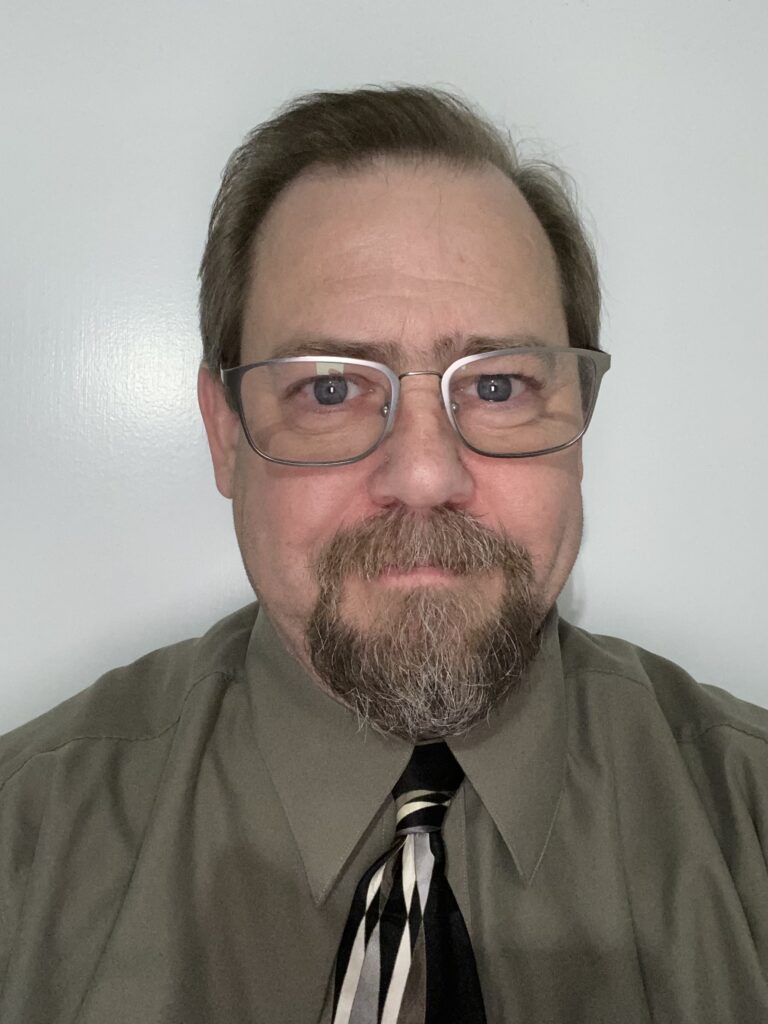 side of that conversation. One idea from the interview stuck with us and ended up framing the whole discussion: versatility equals value.
Finch’s view is that cross-training is not a nice-to-have inside a combined department. It is the thing that makes the whole model work. A staff that can move between sterilization, high-level disinfection, and flexible endoscope reprocessing is more valuable to the facility and more valuable to themselves. Here is how he gets there.
Cross-Training Is Career Insurance
Finch traces his own philosophy back to his time as a scrub tech, when he wanted to learn every type of surgery and be able to scrub all of them. Keeping his hands in a little of everything made him a far more versatile employee, and that versatility traveled with him when he moved for a promotion or for better pay.
“I was able to present so much more than your average person who was kind of stuck in a silo doing different things.”
That is the offer he wants to extend to anyone coming up behind him. Knowing more aspects of what sterile processing actually is gives a technician more to stand on, both inside the department and when they are ready to advance their career.
The Team on the Field
Finch reaches for a football analogy, and it lands. Your quarterback might be good at catching the ball, but you do not want him lining up at wide receiver every other play while the receiver throws it back to him. It does not make sense, and it does not win games. You want your expert in each position doing that job.
The value, though, is in the players who can do more than one thing well. The receiver who blocks downfield. The running back who comes out of the backfield to catch. Those are the players who tend to be compensated more, because they give the team options. The same logic applies on the reprocessing floor: the people who can flex across roles are the ones who keep the department running, and they should be recognized for it.
Resilience When Someone Is Out
A silo is fragile. If the one person who knows endoscope reprocessing is off for the week, the work stalls and everyone scrambles. A cross-trained team turns that problem into a non-event.
“You can go to one person, they can direct things and say, so and so is covering for that endo person today. And by the way, we have six people who can cover it.”
That depth is only possible when you have deliberately built a core group of technicians who can move between tasks. It does not happen by accident, and it is one of the strongest day-to-day arguments for cross-training.
Let Specialists Specialize
Versatility inside SPD has a flip side that helps the rest of the hospital. When HLD lives with the experts, you stop asking non-experts to do it. A technician in imaging is not the right person to handle high-level disinfection of a TEE probe. The endoscopy nurse should be focused on the patient, not on the reprocessing steps that follow the procedure.
Finch sees this as a win for everyone. Subject matter experts in nursing, imaging, and the cath lab get to concentrate on what they were trained for, and the reprocessing experts handle reprocessing. That clarity tends to help retention in those other departments too, because nobody is stuck doing a job they never signed up for.
Hire and Pay for the Capacity to Learn
Building a versatile team starts at the point of hire. Finch is clear that you will always have some people who specialize, and that is fine: those are your leads. But you also need a core group that can go and do any of it, and you have to recruit for that capacity on purpose. Some of the best of these people have no interest in management. They want to come in, do their job well, and move forward without the headaches of administration. They exist, and you can find them if you look and vet carefully.
The other half of that equation is compensation. If you want technicians who can do more, you have to pay in a way that reflects it. Versatility is value, and value should show up in the paycheck. That is also how a technician justifies their own next step up the ladder: more knowledge, more questions they can answer, more situations they can own.
The Honest Hurdle
Finch does not pretend this is easy. The people who thrive on cross-training are genuinely hard to hire, and you will get pushback from staff who have only ever done one thing. The technician who has only done orthopedic trays is going to be wary of learning gynecology instrumentation, and the work really is complicated. The answer is not to wave that away. It is to acknowledge the difficulty, invest in the education, and make the case that learning the next thing makes someone better and more valuable, not just busier.
Final Thoughts
A merged department lives or dies on its people. The equipment and the org chart matter, but it is the cross-trained technician who makes the whole thing efficient and resilient. Treating staff as capable of learning more than two things at a time, hiring for that capacity, and paying for it is what turns versatility into a real competitive advantage for the department and a real career advantage for the individual.
About: Voice of the Customer Committee
The Voice of the Customer Committee is a panel of healthcare and instrument reprocessing professionals who have graciously donated their time to share their expertise and guidance on current challenges faced by the instrument reprocessing community. Through sharing their insights, experiences, and best practices, we have been given the opportunity to share these findings with our readership. We’d like to thank our VOC members for their outstanding input and insights, as well as their time! Thank you for your continued partnership, and all you do.
RELATED PRODUCTS
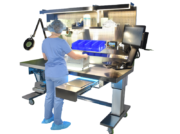
PureSteel™ Ergonomic WorkStation
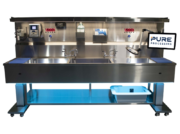
PureSteel™ Endoscopy Sink
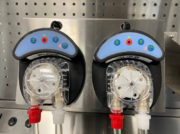
FlexiPump™ Independent Flushing System
