Making Flushing Consistent Across SPD and GI
◆ Key Takeaway
Device IFUs set the flushing time, volume and pressure limits that any method must meet. Comparing them with how staff flush today shows where automated flushing could make the work more consistent and less tiring.
SPD and GI leaders may be reviewing flushing methods in their department because syringe use takes up staff time, technicians have raised concerns about hand fatigue, the department’s instrument and endoscope inventory has changed, or there are compliance concerns. Departments already using an automated system may be considering whether it still meets their needs, or if expanded usage makes sense.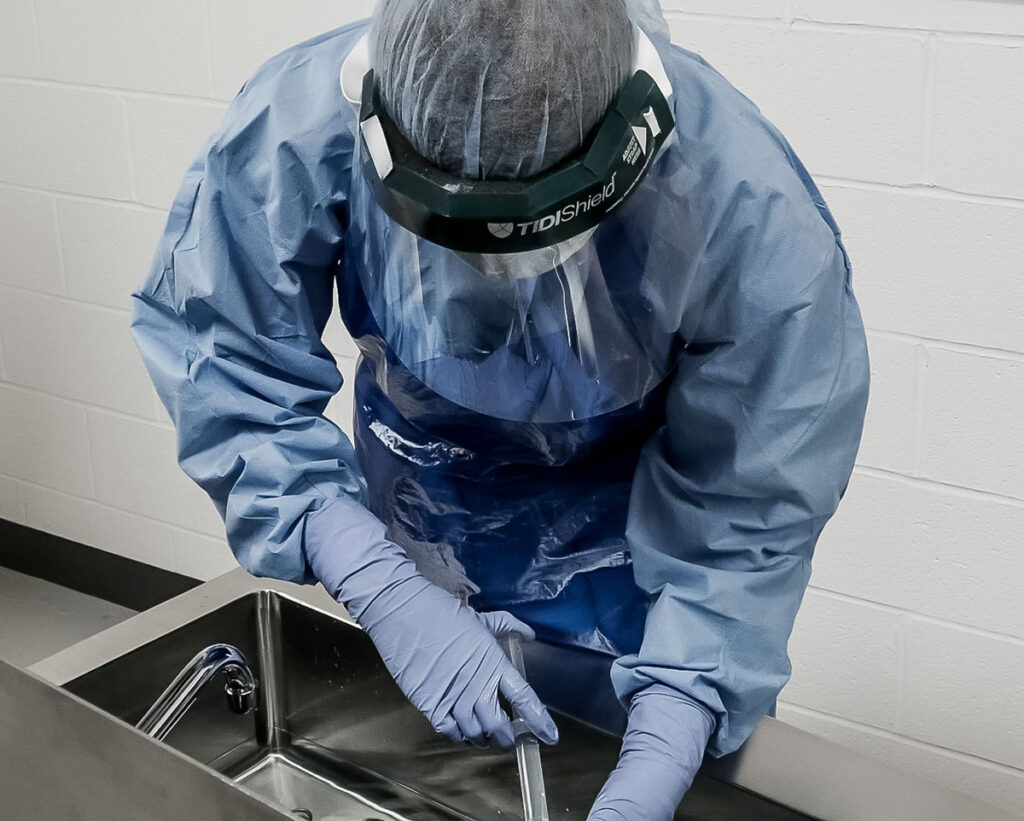
Understanding the impact of the current method on staff, and where it makes the work harder, gives equipment and process decision-making a clearer purpose. The device manufacturer’s IFUs provide the basis for that assessment.
What each device requires
Device IFUs may specify flushing time and volume, as well as pressure limits. These requirements determine what a flushing method needs to accomplish. For endoscopes, the appropriate adapters and compatibility with the scope types being processed are part of that consideration.
With syringe flushing, staff measure the required volume and keep track of repeated flushes for each channel or port specified in the IFU. The pressure applied can vary with use. Looking at how staff perform these steps can reveal how much of the process depends on repeated manual effort and where the method allows variation.
Why the cleaning sequence matters
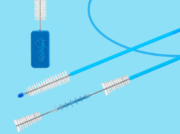
Brushing provides friction, while flushing brings cleaning solution into channels and helps rinse out residual soil. The device IFU establishes how these actions fit together during manual cleaning.
In SPD, flushing and other manual cleaning steps required before ultrasonic cleaning remain necessary when specified by the device and ultrasonic cleaner IFUs. An ultrasonic cleaner does not replace those required steps.
In GI, flushing and brushing, as directed by the endoscope IFU, are part of the manual cleaning that precedes high-level disinfection. The required rinsing steps also matter when considering how a flushing system will be used throughout that process.
What a flushing system can change
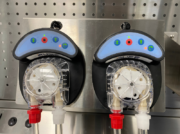
Automated flushing can reduce the amount of flushing staff perform by hand. Depending on the system, programmed cycles or adjustable flow settings may help staff achieve the required flushing time and volume. Pressure-limiting features serve a separate function and need to be considered against any pressure limits in the device IFU.
For a department already using a pump, the question is whether its capabilities and available adapters accommodate the instruments and endoscopes now being processed. Comparing those capabilities with device requirements can help explain whether a different setup would offer a practical improvement.
Where syringes are used, the repetitive hand and wrist motions add to physically demanding work. Reducing that handling is another reason a department may consider automated flushing. Staff still complete the other manual cleaning steps required by the device IFU, including brushing where specified.
What one familiar device can reveal
An instrument or endoscope the department processes regularly can make these questions easier to explore. Comparing its IFU with the way staff flush it can show whether the current method meets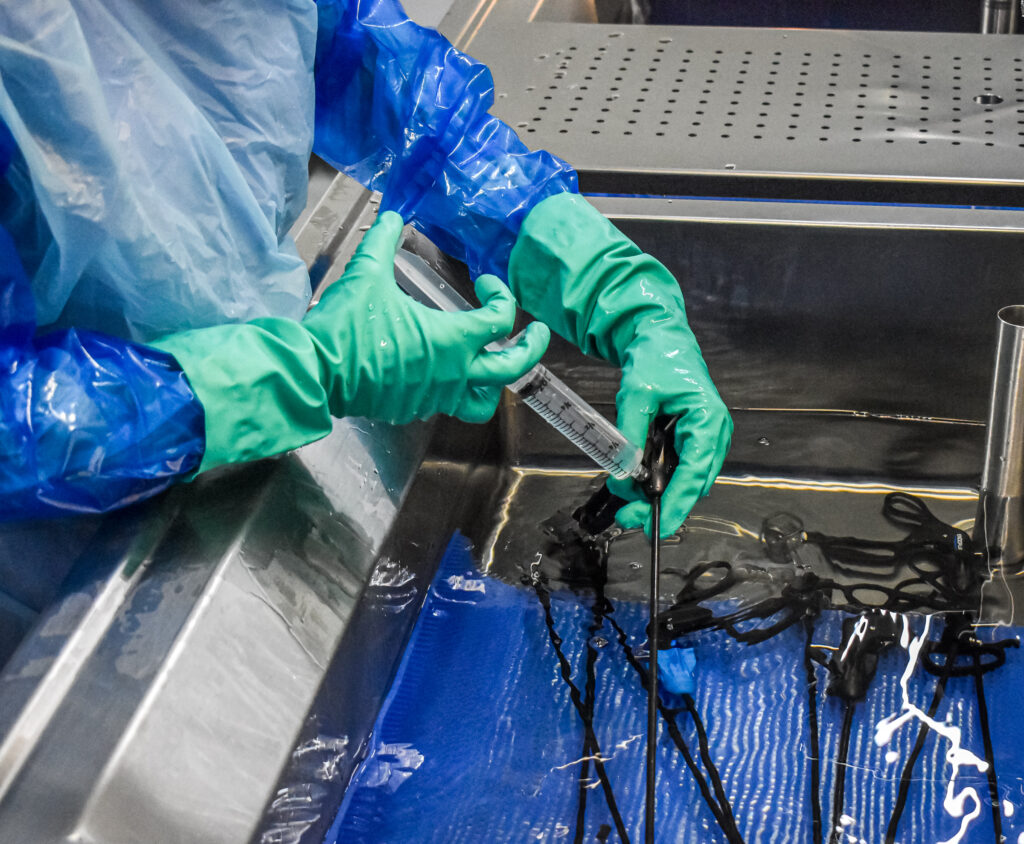 its requirements and where staff encounter difficulty. Their experience may point to a need for a different adapter, clarification of a department procedure, or equipment that reduces repeated manual handling.
Supporting consistent work at the sink
The time and manual effort involved in flushing add up across a shift. Even when staff know the procedure well, repeated manual handling can make the work more demanding. Looking at the equipment and the process together helps explain where that burden comes from.
For a department considering a change, the central question is how it would improve the work at the sink. A change that resolves a compatibility problem, makes required flushing more repeatable, or reduces repetitive handling has a specific purpose that leaders can explain and evaluate. The goal is a thorough cleaning process that staff can carry out consistently throughout the workday.