
The Dangers that Lurk in SPD: Loaners
The infamous loaner program — the Achilles’ heel of sterile processing. The concept is basic enough: borrow, reprocess, use, reprocess, return. Loaner trays 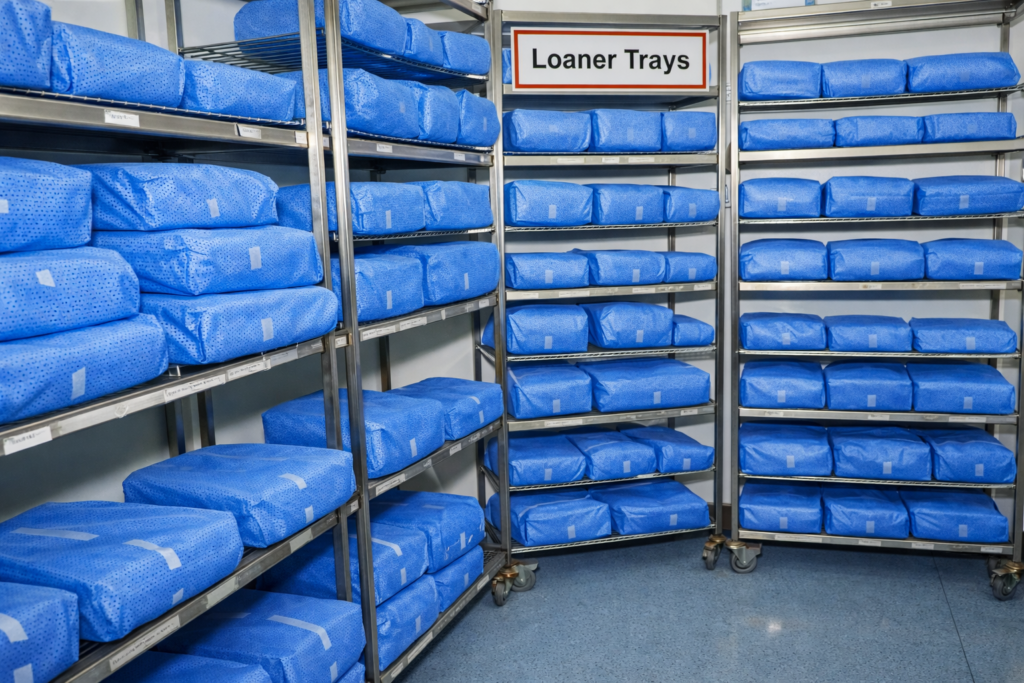 are positioned as helpful, available when needed most, and designed to set hospitals up for success. However, the introduction of loaner trays into workflows can result in serious consequences in both process and outcomes. It’s important to be aware of the dangers when bringing loaner trays into SPD. The consequences of poorly implemented loaner programs are far-reaching.
High Risk by Design
Loaner trays are inherently risky by the very nature of their presence in the facility. They are temporary inventory borrowed for a specific purpose, time, and intention. These trays are not owned by the user facility and come with numerous liabilities:
- Complex surgical trays/systems
- Unfamiliar instruments
- Unfamiliar IFU requirements
- High-pressure timelines for surgical use
- Limited tracking capabilities · The condition in which the trays are dropped off (how much time did it spend in a rep’s trunk?)
Patient Safety Risk
Loaner tray arrival times can vary despite established timeline and scheduling requirements. Arriving anywhere from a few days to just a few hours before they are needed, loaner trays often lead to reprioritized work, including same-day or overnight reprocessing to prepare trays for add-on or urgent surgeries.
Even with adequate reprocessing time, if professionals are unfamiliar with the instruments or the IFU, patients are exposed to risks such as retained or hidden debris and missed reprocessing steps, each of which can result in surgical complications.
Patient safety risks also include missing, damaged, or incorrectly assembled parts. When teams are unfamiliar with the tray and lack documented information regarding
what a complete set should include, the result can be delayed or even cancelled surgeries.
Operational & Accountability Challenges
Loaner tray programs, without the right controls and accountability measures, are difficult to manage. Inconsistent vendor accountability, documentation gaps, and the absence of formal policies and procedures for intake and pickup create opportunities for inconsistent practices that lead to risk and mistakes.
Without appropriate information and clearly defined policy expectations, including drop-off requirements, intake timeframes, process documentation, and surgical case information, accountability is difficult to maintain, let alone enforce. When loaner tracking contains gaps or lacks clear direction, processes cannot be airtight and lines of responsibility become blurred.
Space constraints present another operational challenge. Storage locations are not intended for long-term holding of temporary instrument trays. When loaner trays remain beyond their intended use date, storage becomes crowded. Makeshift solutions like case carts and overstock shelves create limited walking space, storage non-compliance, and event-related sterility risks.
Long-term storage can also delay the discovery of missing or damaged instrumentation. Who is accountable when instruments go missing, damage occurs, or trays get lost in the shuffle? Who is responsible when issues arise due to delayed or postponed pickup?
Without clearly defined procedures and role responsibilities, lapses like these make loaner tray use a consistent liability risk.
Signs Your Loaner Program Is a Danger Zone
There are key indicators that reveal where your loaner program may be operating in a danger zone.
If vendor trays are consistently dropped off less than 24 hours before the scheduled case start, patients, procedures, and SPD staff are at risk. While genuine urgent situations occur, routine last-minute drop-offs are a systemic issue.
Limited or nonexistent check-in documentation is another warning sign that your loaner intake process needs improvement. Without adequate documentation including tray details, surgery time, and pertinent reprocessing information trays are exposed to broken processes, missed timelines, and poor outcomes.
Is there repeated back-and-forth regarding damaged or missing trays and instruments? If tracking stops once a case reaches the OR, trays can disappear into storage with little visibility, creating additional downstream issues.
Loaner management programs can make or break even the most robust processing practices. Without clear information, defined accountability, adequate reprocessing time, and enforced storage policies, a loaner program becomes a risk to reprocessing staff, surgical teams, and ultimately the patient.
Loaner trays absolutely have their place and play a significant role in surgical success. It is our responsibility as reprocessing professionals to ensure they are prepared, managed, and maintained to the highest standard.
For more reading about loaner programs, check out our other blogs written by sterile processing leadership from our Voice of Customer Committee!
Building Stronger Vendor Policies: Accountability & Safety
Using Data to Hold Vendors Accountable in Sterile Processing
Optimizing Vendor Operations in Sterile Processing
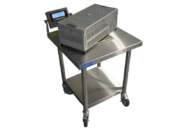
Looking to immediately improve drop-off processes for loaner programs? Invest in a Loaner WorkStation to drive compliance with loaner workflows.
RELATED PRODUCTS
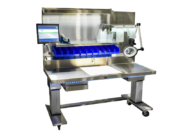
PureSteel™ Loaner WorkStation
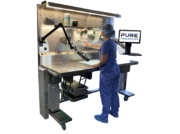
PureSteel™ Robotics WorkStation
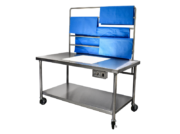
PureSteel™ Wrap Inspection Table