What the Standards Tell Us About Borescopes

Borescopes have become a staple component of comprehensive quality management systems, and rightfully so. They provide insight into the unseen, verifying the effectiveness of cleaning practices through visual inspection. With AI capabilities, some models can even analyze the condition of channels and identify residual soil within the inspected lumen. 
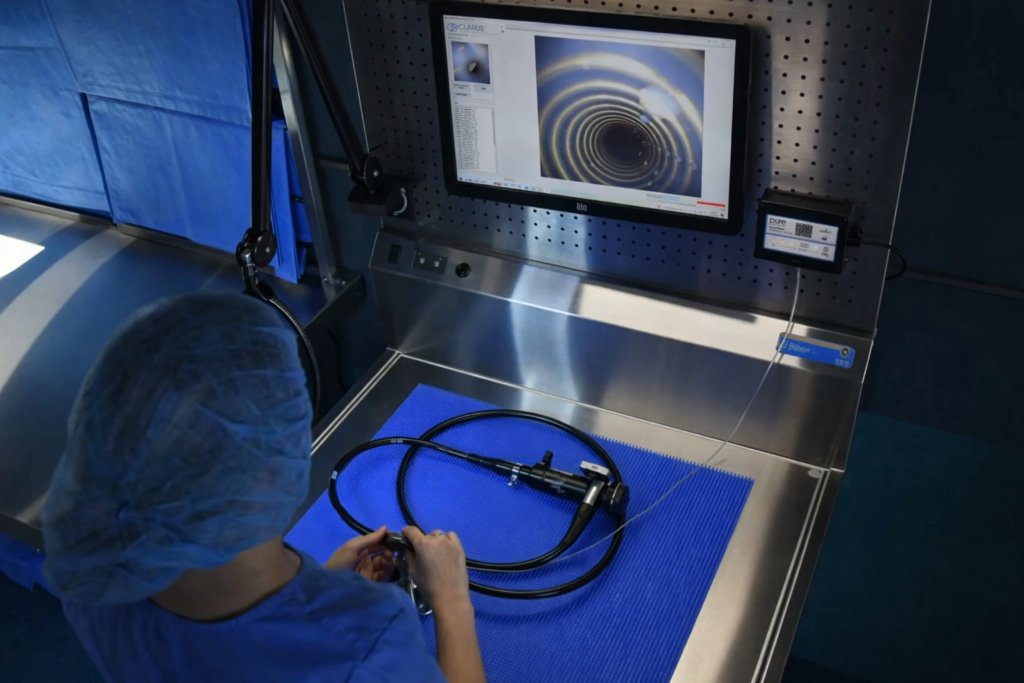
Beyond identifying pass-or-fail quality outcomes, borescopes allow teams to detect and categorize findings such as retained bioburden and instrument damage. Identifying these discrepancies early helps prevent patient contamination, additional device damage, and potential infection transmission. 

The standards provide clear guidance and rationale for incorporating borescopes into our processes and quality management systems. 


Elevated Practices

Enhancing visual inspection is just one benefit of implementing borescope practices into reprocessing workflows. Borescopes are designed to verify process effectiveness. While they do not directly prevent damage or improve cleaning processes, the findings gathered through their use directly influence necessary improvements. 

Borescopes substantiate findings and provide visual evidence of process quality output, as well as instrument condition. This supports early identification of discrepancies and can help prevent additional damage before it progresses further in the cycle. 

As stated in ANSI/AAMI ST79 Annex D: 

“A number of methods can be used to evaluate the results of the cleaning process. The most common method is a visual inspection, sometimes involving the use of a lighted magnifying glass for inspecting cleanliness of device surfaces or the use of borescope cameras for inspecting the internal channels of lumened instruments.” 


Inspection as a Critical Step

When ANSI/AAMI ST91 was published in 2022, it identified six (6) scopes categorized as high risk (ANSI/AAMI ST91 Section 7.8.4). These scopes are known for complex designs that create cleaning challenges and increase patient safety risks. 

The scopes include: 

  • Duodenoscopes 
  • Linear Ultrasound (EUS) scopes 
  • Bronchoscopes 
  • Endobronchial ultrasound (EBUS) scopes 
  • Ureteroscopes 
  • Cystoscopes 
  • Others as determined by the facility 

These scopes carry a “shall” statement focused on cleaning verification. A “shall” requirement gives reprocessing teams a clear mandate to verify cleaning effectiveness and catch failures before patient use. Cleaning verification is now required for these high-risk scopes after every use. 

But what does that look like in practice? 

ANSI/AAMI ST91 Annex F defines the components of a cleaning verification process: 

“Ideally, cleaning verification should include:
a) visual inspection combined with other verification methods that allow the assessment of both external surfaces and the inner housing and channels of medical devices;
b) testing the cleaning efficacy of equipment and the cleaning process; and
c) monitoring key cleaning parameters (e.g., temperature). Manufacturers provide users with such tests so that medical devices can be tested directly after cleaning in a way that will not damage the device or require recleaning.
A more objective and sensitive method than visual inspection is to measure the levels of organic soil on the cleaned device. There are commercially available tests that allow users to rapidly verify that adequate cleaning has been performed.” 

Cleaning verification incorporates two (2) types of inspection: 

  1. Visual inspection (e.g., use of a borescope for internal components) 
  2. Cleaning efficacy testing that measures residual bioburden 

Both methods complement one another and provide reprocessing teams with critical information. This data supports risk assessments and analytics that either verify process efficiency or indicate that adjustments are necessary. 

With data collected from cleaning verification, we can track patterns and trends and drill down to specifics, allowing for precision decision-making. Whether it is a specific scope that fails consistently or a time of day when discrepancies increase, targeted improvements become possible. 

Maybe the data shows a need to increase scope inventory. Maybe it justifies adding staff to support throughput demands. When supported by objective evidence, those initiatives carry significantly more weight in strategic planning. 

Cleaning verification supports patient safety while strengthening process reliability for our teams. 

How to Implement

Adding a new process to the workflow can feel daunting and may be met with scrutiny, particularly because it naturally adds time. When implementing a value-added process, preparation is critical. 

First, clearly define the issue you are looking to solve. It may be as simple as aligning with current standard expectations. In other cases, you may be addressing a known performance gap. Conduct a risk assessment and determine how the process adds measurable value — this forms the foundation for implementation. 

Second, evaluate available product features and capabilities in the market. Identify which solutions align with your department’s goals and operational expectations. 

Third, determine where the new process fits within your workflow. How will it impact ancillary steps? Is there a strategic location that makes the most sense? Department layout and manufacturer IFUs will often influence inspection points and workflow design. 

Finally, processes are only as strong as the training behind them. Provide structured education, opportunities for hands-on practice, and space for questions. Equip staff with the why, the how, and the expectations. The more prepared teams are before implementation, the more confident they will be in both the process and its intended outcomes. 

Borescopes are a major value-add to quality management systems in both GI and SPD reprocessing departments. With thoughtful implementation, they can reveal critical insights into cleaning processes and the factors that influence efficiency. 

Curious to learn more about borescopes? Check out our FAQ blog on borescope here: https://pure-processing.com/blog/borescopes-101-faq-for-sterile-processing-and-gi-lab-professionals/ 

References:

ANSI/AAMI ST79: 2017  
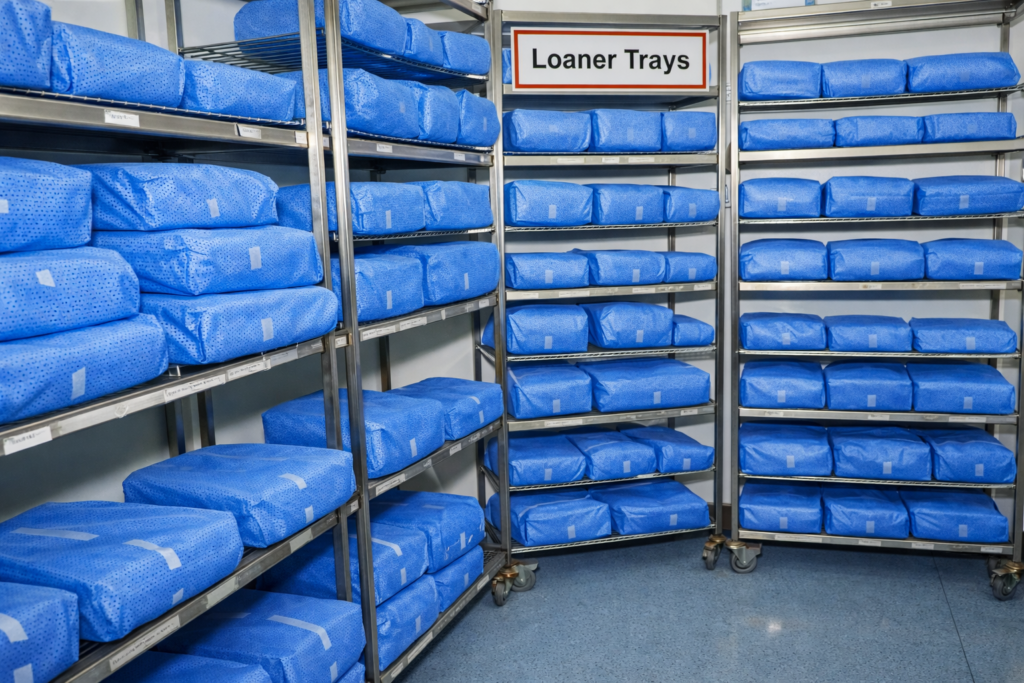
The Dangers that Lurk in SPD: Loaners

The infamous loaner program — the Achilles’ heel of sterile processing. The concept is basic enough: borrow, reprocess, use, reprocess, return. Loaner trays are positioned as helpful, available when needed most, and designed to set hospitals up for success. However, the introduction of loaner trays into workflows can result in serious consequences in both process and outcomes. It’s important to be aware of the dangers when bringing loaner trays into SPD. The consequences of poorly implemented loaner programs are far-reaching.
 

High Risk by Design

Loaner trays are inherently risky by the very nature of their presence in the facility. They are temporary inventory borrowed for a specific purpose, time, and intention. These trays are not owned by the user facility and come with numerous liabilities:

  • Complex surgical trays/systems
  • Unfamiliar instruments
  • Unfamiliar IFU requirements
  • High-pressure timelines for surgical use
  • Limited tracking capabilities · The condition in which the trays are dropped off (how much time did it spend in a rep’s trunk?)


Patient Safety Risk

Loaner tray arrival times can vary despite established timeline and scheduling requirements. Arriving anywhere from a few days to just a few hours before they are needed, loaner trays often lead to reprioritized work, including same-day or overnight reprocessing to prepare trays for add-on or urgent surgeries.

Even with adequate reprocessing time, if professionals are unfamiliar with the instruments or the IFU, patients are exposed to risks such as retained or hidden debris and missed reprocessing steps, each of which can result in surgical complications.

Patient safety risks also include missing, damaged, or incorrectly assembled parts. When teams are unfamiliar with the tray and lack documented information regarding

what a complete set should include, the result can be delayed or even cancelled surgeries.


Operational & Accountability Challenges

Loaner tray programs, without the right controls and accountability measures, are difficult to manage. Inconsistent vendor accountability, documentation gaps, and the absence of formal policies and procedures for intake and pickup create opportunities for inconsistent practices that lead to risk and mistakes.

Without appropriate information and clearly defined policy expectations, including drop-off requirements, intake timeframes, process documentation, and surgical case information, accountability is difficult to maintain, let alone enforce. When loaner tracking contains gaps or lacks clear direction, processes cannot be airtight and lines of responsibility become blurred.

Space constraints present another operational challenge. Storage locations are not intended for long-term holding of temporary instrument trays. When loaner trays remain beyond their intended use date, storage becomes crowded. Makeshift solutions like case carts and overstock shelves create limited walking space, storage non-compliance, and event-related sterility risks.

Long-term storage can also delay the discovery of missing or damaged instrumentation. Who is accountable when instruments go missing, damage occurs, or trays get lost in the shuffle? Who is responsible when issues arise due to delayed or postponed pickup?

Without clearly defined procedures and role responsibilities, lapses like these make loaner tray use a consistent liability risk.


Signs Your Loaner Program Is a Danger Zone

There are key indicators that reveal where your loaner program may be operating in a danger zone.

If vendor trays are consistently dropped off less than 24 hours before the scheduled case start, patients, procedures, and SPD staff are at risk. While genuine urgent situations occur, routine last-minute drop-offs are a systemic issue.

Limited or nonexistent check-in documentation is another warning sign that your loaner intake process needs improvement. Without adequate documentation including tray details, surgery time, and pertinent reprocessing information trays are exposed to broken processes, missed timelines, and poor outcomes.

Is there repeated back-and-forth regarding damaged or missing trays and instruments? If tracking stops once a case reaches the OR, trays can disappear into storage with little visibility, creating additional downstream issues.

Loaner management programs can make or break even the most robust processing practices. Without clear information, defined accountability, adequate reprocessing time, and enforced storage policies, a loaner program becomes a risk to reprocessing staff, surgical teams, and ultimately the patient.

Loaner trays absolutely have their place and play a significant role in surgical success. It is our responsibility as reprocessing professionals to ensure they are prepared, managed, and maintained to the highest standard.


For more reading about loaner programs, check out our other blogs written by sterile processing leadership from our Voice of Customer Committee!

Building Stronger Vendor Policies: Accountability & Safety

Using Data to Hold Vendors Accountable in Sterile Processing

Optimizing Vendor Operations in Sterile Processing


Looking to immediately improve drop-off processes for loaner programs? Invest in a Loaner WorkStation to drive compliance with loaner workflows.

Navigating Complex Loaner Programs: Best Practices & Success

Loaner instrumentation is no longer an exception in sterile processing departments. In many facilities, it represents a significant and growing portion of surgical volume.

As surgical specialization increases and implant-driven procedures expand, loaner programs are becoming more complex, more frequent, and more operationally demanding. What once felt temporary has become structural.

For sterile processing leaders — and for OR leadership who depend on consistent case readiness — the question goes beyond “How do we manage loaners?” but rather:

“Is our department designed to support them safely, consistently, and at scale?”


The Risk Profile of Growing Loaner Programs

Standards and best practices are clear: loaned instrumentation must be received, inspected, processed, sterilized and properly documented with the same rigor and care as facility-owned instrumentation.

Several ‘pressure points’ emerge as loaner processing increases:

  • Variances in receiving: trays arriving with less than a 24-hour notice window before surgery, inconsistent or unavailable cleaning IFU and improper drop-off documentation are just the starting point, causing departments to improvise at the point of drop-off.
  • Prep and pack overload: loaner trays may be more complex, larger, riskier (if they include components such as implants), and IFU-intensive than an inventoried tray. Staff may find more issues in visual inspection, heavier cleaning requirements, or missing items, causing loaner trays to take more time and space.
  • Accountability gaps: Limited traceability outside the facility and missed pick-ups make finger pointing all the more likely when working with loaner programs.
  • Reactive decisions: When loaner trays come with a narrow window to process and have ready for surgery, the entire process puts pressure on staff and places them in difficult positions regarding sterility decisions. This can create situations for cut corners from decontamination to sterility. Staff can be tempted to shorten cleaning times or expedited inspection or even sterilization processes. Reactive decision making comes with added risk.

Matching Infrastructure to Growing Demands

Rather than letting loaner program disruptions lead departments into reactive processes, an intentional set-up of a department’s equipment can directly improve loaner management and outcomes.

Several elements should be considered to mitigate complex loaner program challenges.


Dedicated Drop-off Stations

Workstations at common drop-off points can improve loaner accountability by giving intake processes a physical “home”. Compliance

becomes habitual. Ensure your station has room for documentation like computer set-ups, potential cameras for taking photos of the condition, date and time of drop-offs, and scales to weigh incoming trays. Reject loaner drop-offs before trays have a chance to make their way into the department.

Having a physical space for drop-offs also keep workflows separate.

Scale stations

Vendor representatives don’t have the ‘in-built’ weighing skills sterile processing technicians do; lifting a tray and knowing it’s overweight is a skill developed over time! To prevent trays from coming into departments outside the 25-pound limitation as stated by ANSI/AAMI recommendations, ensure scales are available, either built-in to dedicated drop-off stations or on tabletops.


Tagging Systems

Evaluate how your department is tracking loaner trays once they’re in the workflow. Consider tagging trays with scannable, color-coded systems that make identifying loaners easier. Prioritize, forecast and organize with simple-to-implement solutions.


Ultrasonic systems

Best practices should extend to decontamination. If loaner trays arrive, and all ultrasonic systems are committed to the day’s processing, overflow capabilities may need to be considered. Having inline or standalone sonic systems, if space allows, gives technicians options for immediate processing without delaying the day’s existing processing needs.

Alternative Considerations

If equipment changes aren’t within the budget, there are creative, strategic ways to hold vendors accountable for proper loaner systems. Set the tone on required paperwork, and ensure vendors include tray images, IFU and count sheets. Introduce clear ‘pick-up’ windows with vendors, and choose someone on your staff who can help you enforce and hold those accountable.


Some inevitable factors remain: surgical volumes will grow, instruments and procedures will get more complex, and people will make mistakes. Departments who truly succeed in loaner program management not only implement better policies, but better environments.


Ready to get started? Explore our loaner workstation solutions to optimize loaner programs at your facility!

Borescopes 101: FAQ for Sterile Processing and GI Lab Professionals

Borescopes have become synonymous with quality assurance programs in the GI and SPD departments. Quality assurance itself has become a supporting pillar in an instrument’s reprocessing cycle. But borescopes are still a technology with some unknowns: their effective use, appropriate applications and what information we gleam from their results, are all important to understand for their effective integration & use.Across sterile processing and GI professionals, 10 common questions are frequently raised. We dig into their answers below!

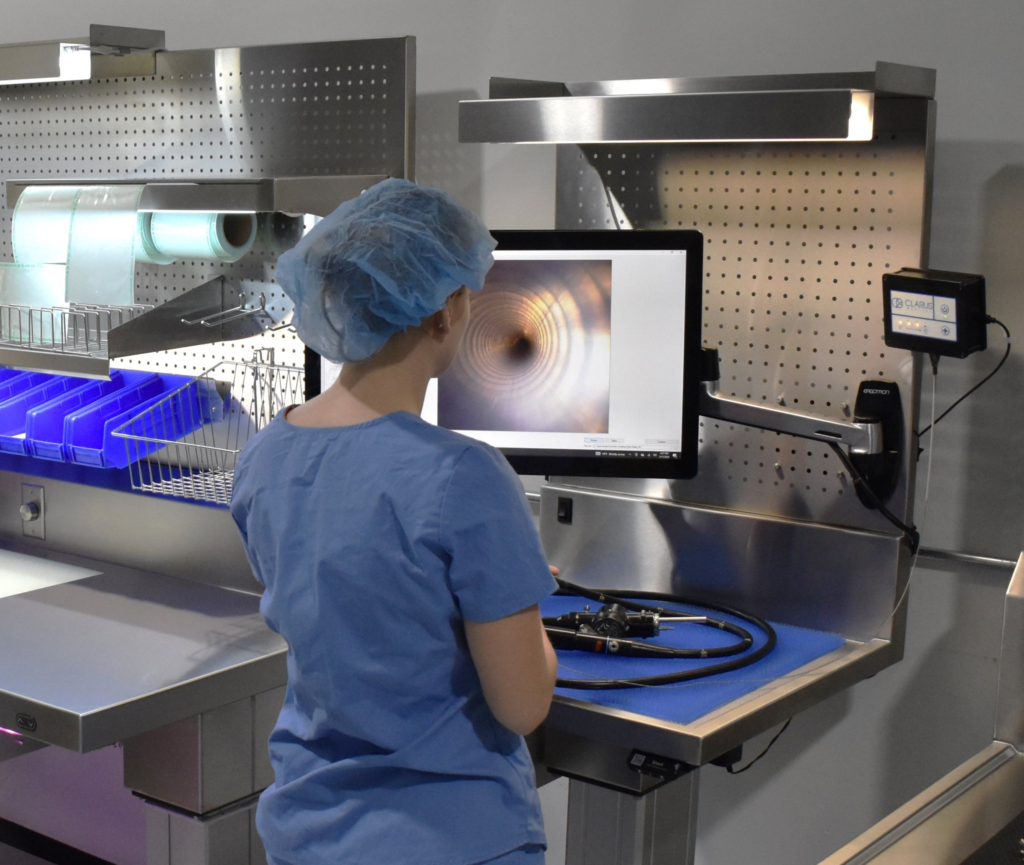
What is a borescope, exactly? A borescope being used to inspect the inside of a flexible endoscope

A borescope is a flexible inspection device with a camera and light that allows technicians to see inside the internal channels of an endoscope or lumened instrument. Essentially, a scope for a scope!

In sterile processing departments and GI labs, borescopes are used to inspect:

  • Internal channels of flexible endoscopes
  • Elevator channels in duodenoscopes
  • Lumens of surgical instruments
  • Internal surfaces that cannot be seen externally

A borescope provides real-time visual confirmation of cleanliness and device integrity.

Why are borescopes becoming more widely used? 

Even when instruments appear clean, functional or correct on the outside, internal channels can be hiding moisture, damage, bioburden or other variables which impact high-level disinfection or sterility. Borescopes provide a more 360-view of instrument cleanliness.

What specific problems do borescopes detect? 

A borescope can detect many issues, including:

  • Residual bioburden or ‘leftovers’ from cleaning, such as brush bristles
  • Moisture retention
  • Internal scratches
  • Channel damage
  • Peeling materials
  • Cracks or deterioration

When should borescopes be used? 

Borescopes are typically used after manual cleaning and before high-level disinfection (HLD) or sterilization. Common inspection points include:

  • After manual cleaning
  • During quality assurance checks
  • After repairs
  • During routine inspection programs
  • When contamination is suspected

This ensures cleaning was effective before the endoscope is reused.

How do borescopes improve patient safety? 

Borescopes are one of the truest ‘safety stops’ in an instruments reprocessing cycle. Before mistakes can go further down the chain, there is a chance to correct improper practices.

HLD or sterilization cannot happen if instrumentation isn’t clean. Patients can be injured when our instruments aren’t functional.

What instruments should be visually inspected with borescopes? 

Borescope inspection is particularly useful for:

  • Shavers
  • Flexible endoscopes
  • Complex components, such as elevator channels (borescopes give magnified views of anything and can be valuable even if not being thread into a channel).

Borescopes are particularly important with high-risk endoscopes, such as duodenoscopes, colonoscopes or gastroscopes. These endoscopes frequently have elevator channels, moving distal tips, and narrow internal lumens.

What are the benefits of borescopes for the GI or SPD department themselves? 

It’s a huge win for patient safety when borescopes are implemented into workflows. But for the GI lab or sterile processing, borescopes can also deliver value internally by:

  • Identifying poor equipment; residual brush bristles typically mean low-quality brushes, or improper brushing technique
  • Improved accountability with instrument repair services
  • Stronger internal reputation for the department, when instrument repair dips overall, and quality outcomes improve.

What are some of the challenges with using borescopes? 

Borescopes can present a couple key challenges:

  • Damage to the borescope itself; borescopes are often incredibly delicate, and may be expensive to repair.
  • More questions than answers: just because something was found inside an instrument channel doesn’t clarify how to reconcile the issue.
  • Borescopes come with technological requirements: ensuring staff are trained on computer use, computers are available and functional and kept up to date
  • Borescopes inspection requires space; ensure your department has adequate space & electrical to set-up borescopes stations

What should be done when something is found inside an instrument? 

First, a department policy should be written for your unique situations. However, general recommendations include:

  • Reprocess the instrument again; any visual bioburden or debris should attempt to be removed
  • Take photos or videos and seek second guidance on if the finding may be damage
  • Log & track identified issues, and create a library of ‘next steps’ for technicians or nurses to reference, and track overall patterns.

Should our department have a borescopes program? 

This answer depends entirely on your department’s objectives, resources and instrument inventory. However, departments that meet the following should strongly consider a borescope program:

  • Any flexible endoscopes are being reprocessing, especially high-risk endoscopes
  • Your goal is to verify cleaning effectiveness, not just work off assumptions
  • Infection prevention initiatives are a top priority
  • You adhere to ANSI/AAMI ST91, SGNA or AORN guidelines
  • Your department has actively struggled with instrument repair costs, visual debris during cleaning, high endoscope volume, or failed cleaning audits

Borescopes matter when it comes to quality assurance programs, and the output of our reprocessing cycles. While borescopes are not the comprehensive answer to effective QA outcomes, they are a key element to a more 360-view into the effectiveness of our efforts. Borescopes can be a powerful tool in the quality assurance toolkit.

To learn more about quality assurance programs, visit our CE-accredited Reprocessing Report, The Age of Quality Assurance: A Complete Guide to Quality Assurance in Endoscope Reprocessing.

To get started on evaluating borescopes for your facility, start with our PureClear™ Inspection Scopes.


The Role of Infection Preventionists in SPD Upgrades

Infection preventionists (IPs) play a vital role in shaping the safety, compliance, and frontline defense of sterile processing departments

against infectious pathogens. As the healthcare environment continues to evolve, the expectations placed on SPD teams grow more complex. From regulatory updates to rising surgical volumes, the need for expert guidance and cross-department collaboration has never been greater.

This is where Infection preventionists bring significant value. Their partnership supports the continuous improvement of reprocessing workflows, ensures adherence to evidence-based practices, and strengthens a facility’s ability to prevent infection risks before they occur.


Why Infection Preventionists Are Essential to SPD Success 

SPDs rely on several interconnected components to consistently deliver safe and functional instrumentation. Infection preventionists strengthen each of these areas by applying a compliance-driven lens, validating processes, and advocating for the resources SPD teams need to succeed. Their involvement leads to better outcomes in three core areas: compliance and regulatory alignment, data and quality assurance, and risk analysis.


1. Compliance and Regulatory Alignment 

Regulatory demands in sterile processing are detailed and ever-changing. Infection preventionists help SPD leaders navigate standards from AAMI, AORN, CDC, and the Joint Commission by reviewing workflows, identifying gaps, and aligning practices with current guidelines.

According to Angela Lewellyn, LPN, CRCST, CER, CHL, director of Development and Research at Advantage Support Services, Inc., Infection Preventionists benefit from taking a more hands-on role in sterile processing. Lewellyn explains that she:

advocate[s] for a closer, more hands-on approach for IPs that includes contributing to the oversight of cleaning and sterilization practices, ensuring compliance with infection control protocols, and conducting regular inspections as part of a continuous quality improvement program.

This level of engagement strengthens the validation of critical steps such as manual cleaning, inspection practices, sterilization packaging, and storage, helping departments identify and correct gaps before they escalate into survey deficiencies.

ANSI/AAMI ST79, Page 1 highlights that many elements influencing sterilization occur outside the sterilization room, making cross-functional collaboration essential. The standard states that:

“the policies and procedures governing sterilization processing should be developed in consultation with the managers of areas that use sterile medical devices and with appropriate committees or functional groups within the facility (e.g., infection prevention and control, safety, hazardous materials, risk management).” (ANSI/AAMI/ISO TIR17665-2)

This reinforces the need for Infection preventionists to be directly involved in creating comprehensive, facility-wide policies that support safe and consistent reprocessing practices.

This collaboration becomes especially important when departments are preparing for surveys or planning upgrades. IPs bring a comprehensive understanding of infection transmission risks and apply regulatory expectations to SPD design, workflow, and documentation practices. Their insight helps reduce deficiencies and supports consistent survey readiness


2. Data and Quality Assurance 

SPD generate critical data every day. Cycle parameters, soak times, manual cleaning steps, inspection outcomes, and verification metrics all contribute to a department’s quality assurance structure. Infection preventionists help transform this information into actionable insights.

Their experience with evidence-based best practices enables them to validate reprocessing steps, ensure accurate documentation, and support a strong chain of quality control. This guidance becomes essential when departments integrate new equipment, update workflows, or respond to rising procedural volumes. Accurate data and consistent validation reduce variation and help identify long-term improvements.


3. Risk Analysis and Advocacy 

One of the most common ways Infection preventionists support our teams is through risk analysis and education. Their voices carry weight in conversations about facility design, capital equipment, staffing needs, and how each element relates to infection risk mitigation.

According to Rebecca Leach, MPH, BSN, RN, CIC, staffing shortages within sterile processing can contribute to burnout, turnover, reduced productivity, and rushed practices such as increased immediate-use steam sterilization. These pressures elevate the risk of workflow breakdowns, improperly reprocessed instruments, procedural delays, and potential patient harm. Leach notes that:

“without a strong, well-trained SPD staff, procedures and surgeries can grind to a halt, hospital revenue will decrease, and patients are at risk for disease and pathogen transmission.”

 This perspective underscores how deeply operational challenges affect infection prevention and why IP involvement in resource planning and process improvement is essential.

IP advocacy can help SPD teams secure updated technologies, educate on compliance requirements, and design functional workspaces that reduce reprocessing variability. When IPs champion high-quality upgrades, they strengthen the entire perioperative ecosystem.

How Infection Preventionists Support Improvements in SPD Upgrades 

Direct collaboration between IPs and SPD leaders leads to measurable advancements in workflow quality, technician preparedness, and infection prevention.

Three Pure Processing solutions illustrate how this partnership elevates reprocessing performance and meets compliance expectations.


Shaping the Future of Sterile Processing Together 

Infection preventionists and SPD teams share the responsibility of protecting patients through safe and consistent reprocessing practices. IPs contribute valuable insight that strengthens decision making around workflow design, equipment selection, and compliance priorities. Together, their partnership ensures reprocessing practices continue to advance alongside clinical needs.

Infection preventionists will continue to support the evolution of SPD best practices, promote meaningful upgrades, and guide healthcare facilities toward safer, higher-quality reprocessing standards.


Works Cited: 


The F-B-C’s of Clean: Manual Cleaning Foundations in Instrument Reprocessing

Manual cleaning is the foundation for all reprocessing activities that follow. Whether it’s ultrasonic cleaning, automated washing, or high-level disinfection and sterilization, every subsequent step relies on the effectiveness of manual cleaning. Ultrasonic cleaners may help with complex instruments, but they cannot remove bulk bioburden. Automated washers and thermal disinfection units also depend on instruments being free of residual soils for their processes to be effective.

Look no further than a recent 2024 study by Ofstead and Associates to realize the critical importance of manual cleaning. In this study, borescope examinations of ten suctions and eight different shavers demonstrated that 94% of the instruments had visible debris or discoloration within their lumens. Researchers even documented retained soil and brush bristles in several new shavers, despite following manufacturer instructions for cleaning, and found visible damage and discoloration within just five uses. These findings underscore that even with modern tools and training, cleaning outcomes require ongoing attention, consistency, and process improvement.


Industry standards reinforce this reality. As stated in ANSI/AAMI ST79:

“The first and most important step in reprocessing reusable medical devices is thorough cleaning and rinsing. Cleaning removes microorganisms and other organic and inorganic materials. Cleaning does not kill microorganisms and a subsequent disinfection or sterilization process might be necessary to render the item safe for next use.”


When it comes to effective manual cleaning, three foundational elements set the stage for successful outcomes: Flushing, Brushing, and Chemistries—the “F-B-C’s” of clean.


F is for Flushing

Flushing is the cornerstone of effective cleaning for surgical lumened devices. Copious, IFU-compliant flushing of every channel is essential, as incomplete flushing leaves soil and residual bioburden that impede high-level disinfection (HLD) or sterilization. These residues can even enable biofilm formation, which protects microorganisms from removal and eradication.

Biofilm is a tightly bound community of microorganisms encased in a protective matrix that adheres to instrument surfaces. Once established, biofilm acts like a biological shield—making it extremely resistant to detergents, disinfectants, and even sterilization processes. When biofilm remains on surgical instruments, the consequences are serious: increased infection risk, delayed healing, surgical site infections, and cross-contamination between patients. Furthermore, biofilm can accelerate corrosion and instrument damage, shortening device life and complicating visual inspection. Preventing biofilm through thorough flushing and timely cleaning is therefore not just a best practice—it’s a patient safety imperative.


Surgical device design adds layers of complexity to cleaning processes. Modern instrumentation is increasingly intricate, with tight tolerances, multi-material construction, and integrated technology that all contribute to cleaning challenges. Some of the most common

obstacles include:

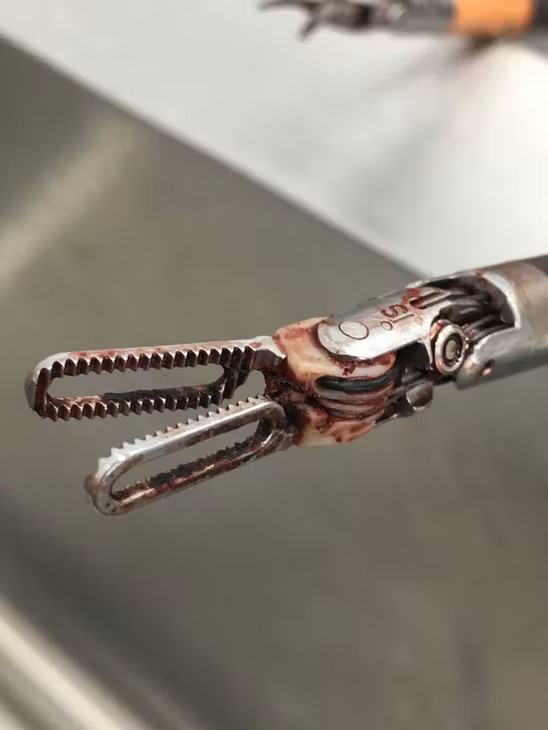
  • Articulation joints that trap blood and tissue deep within hinge points or pivoting areas
  • Cables and pulleys in robotic or powered instruments, which limit accessibility for brushes and flushing adapters
  • Extremely narrow lumens, such as those in microsurgical and ophthalmic instruments, where fluid flow can be easily restricted
  • Rough or textured surfaces that can harbor microscopic debris, making complete soil removal more difficult
  • Hidden or nested components, including removable valves, seals, and tips that must be disassembled for cleaning but are sometimes missed
  • Mixed materials (e.g., stainless steel combined with polymers or electronics) that each require different handling or chemistry compatibility
  • Instruments which cannot be disassembled, causing debris to go unnoticed or to hide.

Copious, directed flushing helps combat these design challenges and ensures fluid reaches every internal surface. As ANSI/AAMI ST79 (Section 7.1) notes:

“Thoroughly flushing lumens helps ensure complete surface contact with the solution.”


Similarly, ANSI/AAMI ST91 (Sections 7.6 & 7.6.j) states:

“Flush all channels according to the endoscope manufacturer’s written IFU… verify that solution flows through each lumen… flush with water of the specified type, volume and pressure.”


Flushing isn’t only a step at the manual cleaning sink—it begins at the point of use. According to ANSI/AAMI ST91 (Sections 7.1 & 7.6):

“Prompt point-of-use flushing reduces the chance of soils drying, reduces biofilm formation risk, and is required to make subsequent HLD/sterilization effective.”


Whether performed immediately after use or during manual reprocessing, thorough and compliant flushing is the first critical step toward a clean instrument.


B is for Brushing

Mechanical action through brushing physically dislodges soils from surfaces and lumens and is required until no visible debris remains. Brushing must be performed with IFU-specified brush types, sizes, and techniques, such as keeping lumens submerged during brushing, to ensure complete contact and coverage.

Effective brushing isn’t just important for endoscope outcomes. As the earlier Ofstead study highlighted, retained debris within shavers and suctions demonstrates that all lumened instruments carry risk when brushing practices vary. Variances can emerge from differences in brush size, brush length, and the reuse or replacement frequency of brushes. If reusable brushes are not adequately decontaminated or replaced when worn, cleaning effectiveness declines rapidly.

Additionally, while many technicians brush until the brush emerges free of visible soil, this practice alone may not account for residual biological matter invisible to the naked eye. Consistency and adherence to IFUs are essential to minimize process variation and ensure optimal outcomes.


For guidance on effective brushing practices, ANSI/AAMI ST91 (Section 7.6) specifies:

“Brush accessible channels (e.g., the instrument/suction channel) according to the endoscope manufacturer’s written IFU until there is no visible debris and for the length of time specified. Use brushes of the length, width, and material specified by the endoscope manufacturer’s written IFU. Follow the brushing technique specified in the endoscope manufacturer’s written IFU to clean the endoscope, keeping the endoscope immersed at all times.”

Brushing is both a science and a skill—requiring precision, compliance, and quality control.


C is for Chemistries

The third foundational element in manual cleaning is the appropriate use of chemistries. Detergents and disinfectants used in instrument reprocessing are specialized formulations designed for medical applications. These chemistries must be used at the concentration, temperature, and contact time specified by both the detergent manufacturer and the device IFU.

Failure to properly dilute or rinse these solutions can result in residues that harm patients, damage instruments, or interfere with subsequent disinfection and sterilization.

Human’ bioburden—composed of complex organic materials like blood, mucus, and tissue—poses unique cleaning challenges. Protein denaturation, for example, can cause soils to adhere more tightly to surfaces, making effective chemistries essential to the manual cleaning arsenal. Equipping staff with the training and knowledge of how chemistries combat denaturation, for example, empowers and enhances outcomes.

The importance of chemistries also connects to the prevention and management of biofilm, a formidable adversary in the reprocessing world. As defined in ANSI/AAMI ST79:2017 (Section 3.1):

“Biofilm consists of an accumulated biomass of bacteria and extracellular material that is tightly adhered to a surface and cannot be removed easily. Biofilm has the effect of protecting microorganisms from attempts to remove them by ordinary cleaning methods used in the sterile processing area and of preventing antimicrobial agents, such as sterilants, disinfectants, and antibiotics, from reaching the microbial cells.”

Understanding and properly using validated cleaning chemistries are key defenses against these risks and essential to achieving consistent, verifiable cleaning outcomes.


Flushing, brushing, and chemistry use are the foundations of effective outcomes in manual cleaning. The complexity of the instruments we clean in sterile processing demands that these three activities be robust, validated, and repeatable.

Without effective and standardized processes, variability in these foundational steps can introduce risk, reprocessing errors, and real-world negative outcomes for patients.

However, with strong awareness, adherence to standards, and continuous education around these decontamination essentials, sterile processing professionals are better equipped to achieve safe, consistent, and optimal patient outcomes—the ultimate goal of every reprocessing department.


Looking for ways to improve & practice your F-B-C’s? Download our white paper which includes a checklist of tools and materials to check are in place for optimal manual cleaning outcomes!


Works Cited

  • Ofstead, C.L., et al. (2024). Study on cleaning outcomes and borescope inspection of surgical instruments.
  • ANSI/AAMI ST79:2017. Comprehensive guide to steam sterilization and sterility assurance in health care facilities. Association for the Advancement of Medical Instrumentation (AAMI).
  • ANSI/AAMI ST91:2021. Flexible and semi-rigid endoscope processing in health care facilities. Association for the Advancement of Medical Instrumentation (AAMI).


Four Practical AI Ideas SPD Leaders Can Pilot Now

In September we met with our Voice of the Customer council and followed up with breakout conversations to explore how sterile processing leaders are applying AI today. The themes were pragmatic. Teams want tools that support standards, training, and staffing without disrupting existing workflows. 

We sat down with Angus Bruce, CSS Director at Boston Children’s Hospital to talk about realistic ways AI can help sterile processing. Below are four focused applications you can test without overhauling your stack. Each one keeps culture, compliance, and patient safety in view. 

1) AI that fits your tracking system 

AI adoption starts with integration. If a tool cannot “talk” to your tracking platform, it adds clicks, leaves gaps in the record, and risks noncompliance. Make “interfaces with our tracking system” a hard requirement on any vendor checklist and verify how data flows in and out before a pilot or demo. 

“If I’m trying to bring in a new product to help my team do their job more efficient, it has to have the ability to interface with my tracking system… you’re not going to get compliance with… additional steps.”  


2) AI as an unbiased “umpire” at the workstation 

Think supportive prompts and gentle cues that help techs do the right next step, not surveillance. Partner with HR early, set clear expectations, and design the rollout with as much care as the technology so guidance feels helpful rather than punitive. Start with a short pilot, gather feedback, and tune prompts to match your standard work. 

“This is not meant to be a punitive thing. This is more meant to help you and guide you.”  


3) Policy interpretation with verification 

Use AI as a research assistant to assemble a draft that cross-references current standards and manufacturers’ IFUs, then keep human validation in the loop before anything is published. Build a repeatable review step where leaders confirm citations and language so the final policy matches your facility’s procedures. The goal is faster drafting without losing rigor or accountability. 

“If you follow these steps, you cannot go wrong. But if you deviate from these steps, the potential of you doing something wrong increases.” 

4) An annual “AI time-study” service 

Run short, time-boxed camera studies to observe standard work, calculate realistic averages, and spot friction points, then remove the equipment at the end of the window. Frame the effort as temporary and improvement focused, and align with HR to set guardrails and signage. Use the findings to fine tune staffing, layout, and training plans, while avoiding permanent recording. 

“If you do it as a trial period… in the lean world, they do time studies… you get the average of that person… If it’s used as a trial it’s great.” 


Interested in digging into more VOC content?

Three Practical Ways SPDs Are Using AI Right Now


About: Voice of the Customer Committee 

The Voice of the Customer Committee is a panel of healthcare and instrument reprocessing professionals who have graciously donated their time to share their expertise and guidance on current challenges faced by the instrument reprocessing community. Through sharing their insights, experiences, and best practices, we have been given the opportunity to share these findings with our readership. We’d like to thank our VOC members for their outstanding input and insights, as well as their time! Thank you for your continued partnership, and all you do. 

Three practical ways SPDs are using AI

In September we met with our Voice of the Customer council and followed up with breakout conversations to explore how sterile Bill Filipponi, Director of Sterile Processing at North Kansas City Hospitalprocessing leaders are applying AI today. The themes were pragmatic. Teams want tools that support standards, training, and staffing without disrupting existing workflows. Below are three use cases you can try without overhauling your systems or processes. 
We partnered with Gene Ricupito, Senior Project Manager, Sterile Processing at UCSF to identify practical applications of AI in sterile processing departments happening right now. 


1) Your SPD’s “AI Librarian” 

What it is
A department leader built a private GPT and loaded it with key standards and guidance so it can answer “Where does it say that?” with citations. In practice, the model can surface the exact sections to support common questions and provide language for policy reminders. 

Why it helps
Faster and defensible answers reduce back and forth and reinforce policy adherence at the point of need. 

How to pilot
Start with a limited library of validated policy and standards PDFs. Test with five common questions your team asks and confirm the citations before sharing. 


2) AI for competency: turning quizzes into targeted training 

What it is
Use AI to analyze CE outcomes and quiz results to spot patterns in what staff are learning well and where they miss. The goal is to identify knowledge gaps by topic and role, then adapt education accordingly. 

Why it helps
Instead of broad refreshers for everyone, you can focus time on the few topics that repeatedly cause errors or rework. 

How to pilot
Export recent quiz results, group misses by topic, and ask an AI tool to summarize patterns by role. Build one short refresher for the top two miss areas and recheck outcomes the following month. 


3) From shift reports to staffing plans 

What it is
Aggregate standardized shift reports that capture conditions in decontamination, washers, assembly, and sterilization. Feed those counts into an AI model to trend backlog, estimate FTE needs, and point to which shifts are under resourced. Start with weekdays and expand as your data grows.

Why it helps
Leaders get a clearer view of staffing deficiencies by shift and can tie staffing changes to throughput time from soil arrival to sterilizer output. 

How to pilot
Pick five daily counts you can capture consistently, run a simple weekly trend, and compare predicted FTE needs to actual delays and overtime. 


Conclusion 

AI adoption in SPD does not need to be all or nothing. Start with a small library, a simple quiz review, and structured shift snapshots. Small wins build momentum, validate risk controls, and create data you can take to leadership. If you would like worksheets for the librarian pilot, competency analysis, or shift to staffing model, we can share templates to help you get started.

Interested in digging into more VOC content? 

Four Practical AI Ideas SPD Leaders Can Pilot Now


About: Voice of the Customer Committee 

The Voice of the Customer Committee is a panel of healthcare and instrument reprocessing professionals who have graciously donated their time to share their expertise and guidance on current challenges faced by the instrument reprocessing community. Through sharing their insights, experiences, and best practices, we have been given the opportunity to share these findings with our readership. We’d like to thank our VOC members for their outstanding input and insights, as well as their time! Thank you for your continued partnership, and all you do. 

Aging Sinks and Workstations Put Compliance at Risk

Sterile processing and GI staff work hard to get every detail right. When the fixtures and furniture at the heart of cleaning and inspection are past their prime, compliance becomes harder to achieve and even harder to sustain.  

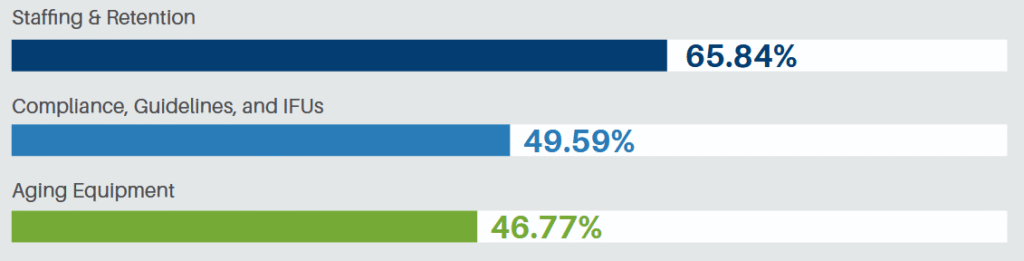
The 2025 Sterile Processing State of the Industry data shows that aging equipment is not a niche concern. Nearly one in four respondents prioritized equipment issues among the most important problems to solve, and almost half expect aging equipment to intensify as a future challenge 

Below is a practical look at how older sinks and workstations can undermine compliance, what to watch for, and steps you can take right now. 


Aging Equipment Erodes Compliance 


Big Idea: Manual cleaning loses consistency when sinks are undersized, in disrepair and at capacity. 

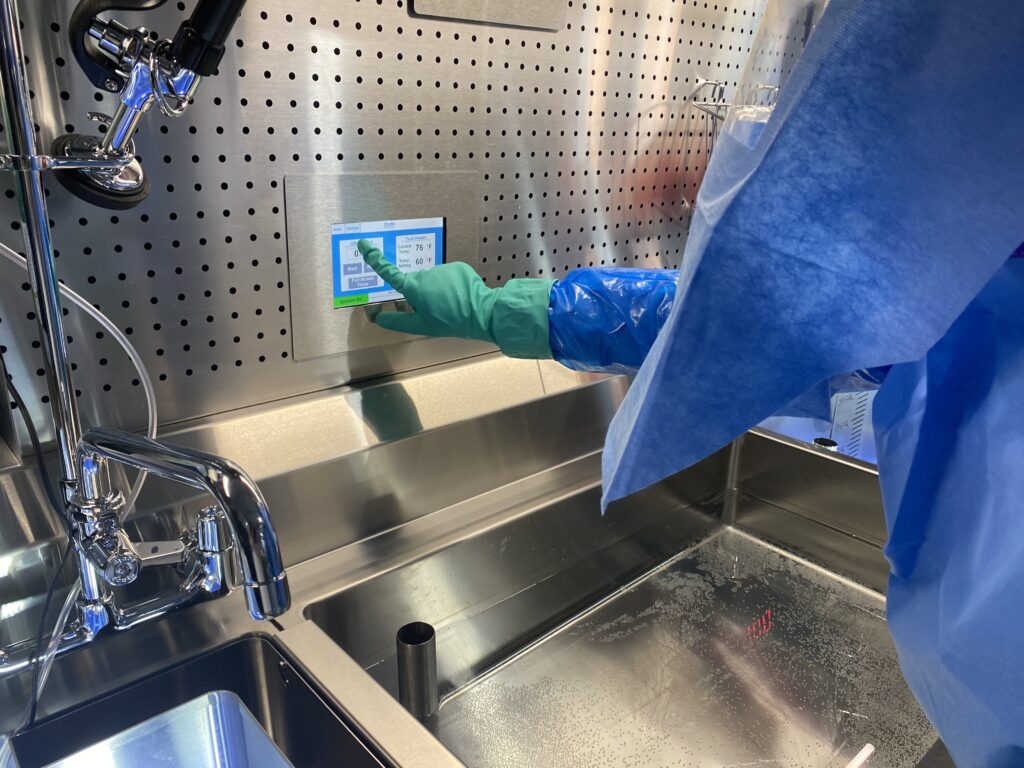
Outdated sinks often lack accurate temperature control, and the depth or basin configuration needed for safe immersion and rinsing. That makes it harder to carry out IFUs consistently and results in inadequate reprocessing and poor practices.   For example, when robotic arms do not fit into the sink basin, they cannot be fully submerged and adequality exposed to cleaning chemistry for the IFU required amount of time giving risk to leaving bioburden behind or damaging the instruments.  

Sinks in disrepair pose a risk for staff injury and exposure. When height adjustability features don’t work, basins are too deep or there are leaks in the plumbing sterile processing teams lack the resources needed to compliantly and safely do their jobs.  When pipes leak, drain systems fail or sinks deteriorate, staff can be exposed to stagnant water, bacterial growth and slip and falls hazards when standing water  collects on the floor.  

Big Idea: Poor lighting and inadequate inspection tools hide defects. 

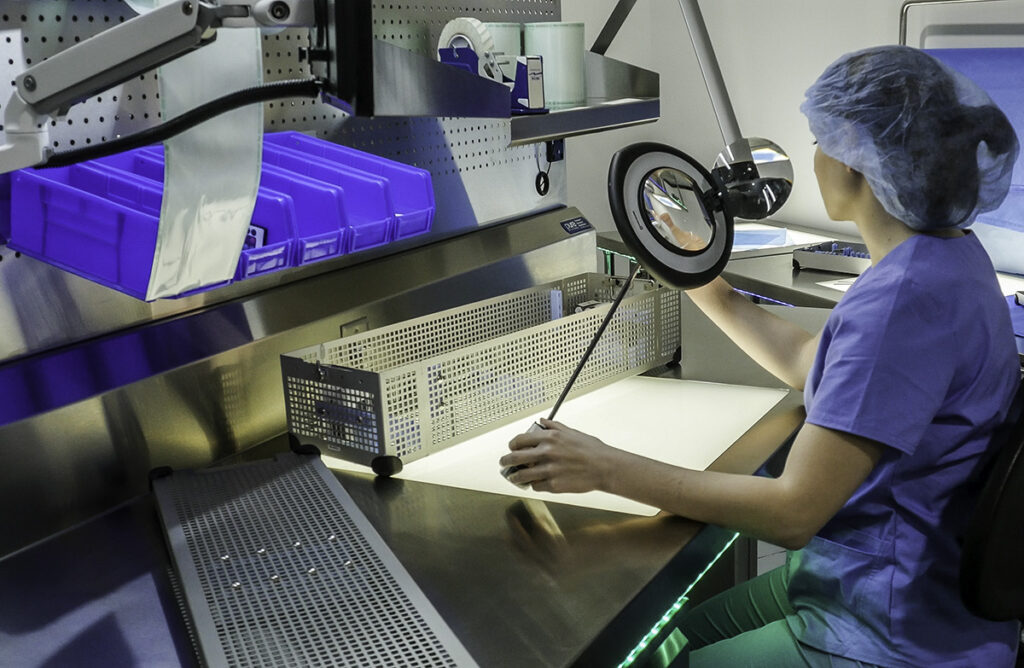
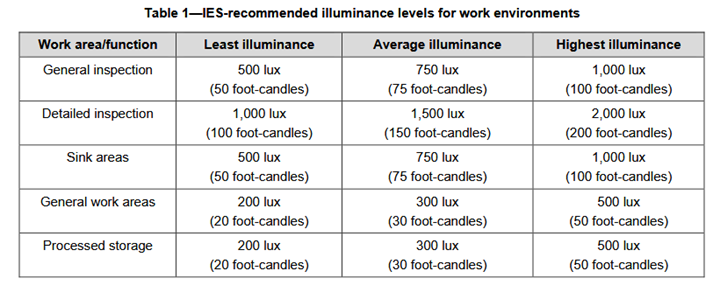
Dim work surfaces reduce visibility of soil, damage, and other organic residuals. ANSI/AAMI ST79 3.3.5.6 gives luminosity recommendations based on area of work, type of work and age of employee. There is a higher illumination requirement at inspection work areas that support visual checks and detailed inspection. If the lighting at your workstations does not reach the illumination rating for inspection areas, defects such as pitting, misalignment, and residual bioburden are more likely to slip through.

Big Idea: Missing or outdated magnification and visualization tools increases rework and risk.

Older workstations without integrated magnification, borescopes, or stable power for lighted magnifiers make it difficult to achieve the enhanced visual inspection that current guidance encourages, especially for lumened and complex devices.

Ofstead and Associates’ Lumen 2.0 study indicates that there were 100% findings across lumened instruments . Some of the noted disreapirs included:

  • Scratches
  • Residues & Soils
  • Fibrous Debris

Big Idea: Fixed-height counters and sinks result in awkward reach zones that drive fatigue that can degrade technique.

Fixed equipment leads to shoulder and back strain and potentially shortcuts at the sink or table by staff. ANSI/AAMI ST793.3.6.1.1 gives recommendations on ergonomic and productivity considerations when configuring sinks and workstations that support proper manual cleaning and inspection while reducing injury risk. Our survey respondents also rated ergonomics and What to look for during a quick walk-through

  • Sink basins that are too shallow for immersion or too narrow for trays
  • Dripping faucets, unstable spray arms, or leaking under sink plumbing
  • Broken or unused magnification and task lights
  • Ergonomic workarounds and poor posture
  • Overcrowded work areas with outdated resources and information


Navigating through the challenges


 Assess and prioritize.

Document IFU steps that are hard to execute with current resources. Capture illumination, and ergonomic pain points. Tie findings to rework, delays, and staff injury trends from your department.

Shore up the process.

Addressing lighting, magnification, basin accessories, and simple ergonomic aids first can greatly improve quality outcomes and boost staff morale as work continues to drive improvements in more capital required upgrades


Replace the bottlenecks.

When upgrading sinks and workstations, choose basin dimensions that support full immersion and rinsing, plan splash protection that preserves dirty-to-clean separation, and specify height adjustability or better fit for your team.

Sustain with education

Use micro in-services to keep technique aligned with IFUs and to reinforce changes.

Aging sinks and workstations do not only slow technicians down. They increase the chances of inconsistent cleaning, missed defects at inspection, and documentation gaps. Our 2025 survey data shows that equipment concerns are already pressing and expected to grow, which makes a clear plan to stabilize and modernize the decontamination and assembly environment essential for compliance and patient safety.


Interested in digging into other key findings from the 2025 Sterile Processing State of the Industry Report? Download it here!