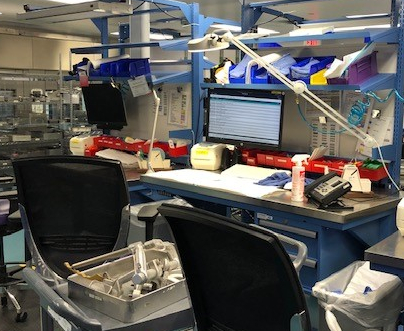

Optimizing Vendor Operations in Sterile Processing: Practical Strategies for Efficiency and Accountability

Scott Shuagis

In June 2025, our Voice of the Customer (VOC) council met to discuss an ongoing issue for many sterile processing departments: Vendor/Loaner challenges and accountability. Scott Shuagis, Interim Sterile Processing Manager at Cone Health dove deeper with Pure Processing following the VOC call to dig into how sterile processing departments can streamline and optimize vendor operations.

In many hospitals, vendor coordination within the sterile processing department (SPD) is a source of daily frustration. Whether it’s late-arriving trays, communication gaps, or inefficient reprocessing, misaligned vendor practices can cause delays and impact patient care. However, several SPD leaders are pioneering strategies that streamline vendor operations, enhance communication, and ensure instruments are ready when needed.

Here are some of the most impactful practices and technologies gaining traction:


Implementing a Pod Tray System

Pod tray systems are revolutionizing how trays are sterilized and transported. These modular containers allow entire sets including drills, retractors, and other instruments to be loaded together with a single filter.
Benefits of systems like these include:

  • Faster drying and sterilization: The pod design wicks away moisture more efficiently than traditional wraps, helping eliminate wet packs.
  • Fewer holes and rewraps: Unlike individually wrapped trays, pods reduce the risk of holes during handling.
  • Streamlined OR setup: The OR receives one sealed pod rather than several separate packages, improving workflow and reducing prep time.

Pods are reusable, configurable, and support high-volume case turnover with fewer processing setbacks. While the filter is a consumable cost, many departments see strong ROI through time savings, reduced rework, and improved OR satisfaction.

Staff education/training:

  • Staff thoroughly inspecting each tray for defects. If a single tray has a defect the entire Pod is contaminated.
 

Using Tagging and Color-Coding Systems

Tagging trays with scannable labels and implementing color-coded systems (e.g., pink for Monday, green for Tuesday) helps SPDs and vendors visually track trays at a glance. This simplifies:

  • Forecasting and prioritization: Teams can quickly identify which trays need to be processed first. Next day forecasting: OR team and SP leadership engages surgical schedule next day vendors.
  • Day-to-day organization: Color tags enable proactive planning when anticipating high vendor volume on specific days.

Adding a second tag that is scanned post-op also initiates a timer, alerting vendors when it’s time to retrieve or reset trays, ensuring nothing gets forgotten. These systems also provide time-stamped documentation that supports better accountability across the board.


Leveraging Data to Drive Accountability

Modern vendor management systems integrated with SPD tracking tools allow teams to collect granular data on:

  • Tray defects (e.g., rust, broken instruments, contamination)
  • Vendor timeliness
  • Case readiness

This data can be used to identify consistent issues, hold vendors accountable, and support meaningful conversations with surgeons when performance doesn’t meet standards. When data shows clear patterns, it becomes easier to engage OR leaders in driving change or pressuring vendors to meet expectations.


Establishing Policies Around Vendor Timeliness

While late tray fees are often ineffective (and potentially passed back to the hospital), establishing clear vendor policies is still essential. Strong policies should:

  • Define clear timelines for delivery (e.g., trays must arrive 24 hours before surgery)
  • Outline consequences for late delivery based on data
  • Be reviewed with surgical teams regularly to ensure alignment and support

Rather than punitive measures, a data-driven policy encourages collaboration. Sharing monthly vendor timeliness reports with surgeons can shift attitudes and open the door to improvements without creating friction.

  • Next Policy update: All vendors will perform an annual Prevented Maintenance (PM) program, Physicians on board due to continues brown staining thus holding vendors countable for their trays. This annual program will be set in vendor management system.


Creating Dedicated Vendor Check-In Spaces

Designating a breakout room equipped with:

  • A label printer
  • Scale
  • Camera
  • Workstation with vendor software access

…gives vendors the tools they need to register and tag trays correctly the first time. Centralizing this process reduces errors, improves tray tracking, and accelerates downstream workflows. These check-in zones can also serve as controlled spaces where SPD staff confirm tray contents, inspect packaging, and prepare the pods for sterilization, cutting down on congestion at decontamination.


Training Vendors on SPD Software and Processes

SPDs benefit greatly when vendor reps are properly trained on the department’s tracking systems and procedures. Key elements of vendor onboarding should include:

  • Hands-on use of tagging systems
  • Understanding internal policies (e.g., pods cannot be taken upstairs by vendors, only SP staff member)
  • Basic knowledge of software like SQ Track, SPM, or Censis Technologies.

Having dedicated SPD IT support can be a game changer. When vendors understand not just how to use the system, but how their data flows into operational decisions as well, compliance improves and rework declines. Ongoing refreshers can also help new reps acclimate quickly and maintain system integrity.


Strengthening Communication Between SPD and OR

Vendor-related inefficiencies often stem from a lack of alignment between SPD and the OR. Building strong relationships with OR teams and surgeons can:

  • Improve scheduling accuracy
  • Reduce last-minute tray requests
  • Support accountability when cases are delayed due to missing or late trays

Regular, transparent communication, especially with engaged surgeons, can create a culture of partnership rather than blame. When SPD, OR, and vendors all operate from shared expectations and mutual respect, the result is fewer delays, better outcomes, and greater job satisfaction across teams.


Final Thoughts

Optimizing vendor operations isn’t about shifting blame, it’s about building processes that eliminate guesswork, reduce inefficiencies, and enhance patient care. With the right tools, policies, and collaboration, SPDs can transform vendor coordination from a daily pain point into a well-oiled machine.

By investing in systems like pods, color-coded tags, data dashboards, and vendor workstations, and by fostering accountability and communication, SPDs can better manage vendor complexity and stay focused on what matters most: safe, sterile instrumentation delivered on time.


Interested in more VOC content? Click here!


About: Voice of the Customer Committee

The Voice of the Customer Committee is a panel of healthcare and instrument reprocessing professionals who have graciously donated their time to share their expertise and guidance on current challenges faced by the instrument reprocessing community. Through sharing their insights, experiences, and best practices, we have been given the opportunity to share these findings with our readership. We’d like to thank our VOC members for their outstanding input and insights, as well as their time! Thank you for your continued partnership, and all you do.

The Importance of Leak Testing at the Decontamination Sink

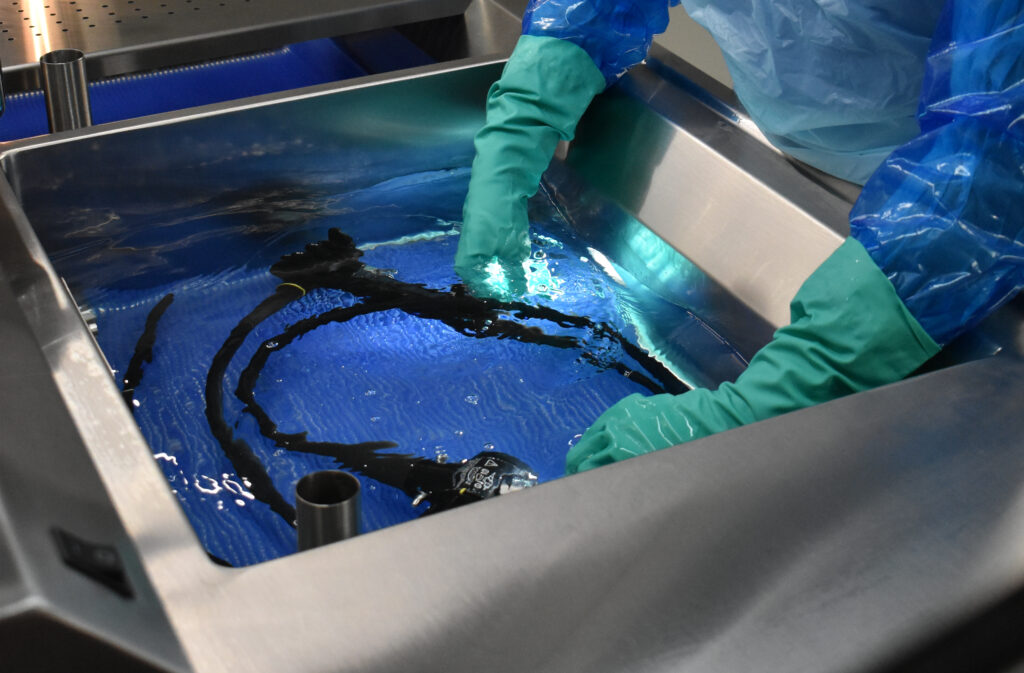
Leak testing isn’t just a box to check in sterile processing and GI departments. It’s a frontline defense for patient safety. When working with flexible endoscopes or intraoperative ultrasound probes, ensuring their internal integrity is intact is critical. That integrity check starts at the decontamination sink.

Why Leak Testing Matters

A compromised instrument, such as a flexible endoscope with a pinhole or tear, cannot be reliably cleaned or disinfected. Fluids can enter internal components which harbor bioburden and expose patients to infection risks. Leak testing helps detect these issues before endoscopes and probes move further along the reprocessing workflow. This prevents costly repairs, cross-contamination, and possible infections.

Missed or failed leak tests can lead to serious consequences. Internal fluid invasion often results in damage to critical components like image bundles, light fibers, or angulation systems. According to industry data, fluid invasion is one of the leading causes of endoscope failure. Repair costs can easily range from several thousand dollars to full endoscope replacements. Worse, undetected damage can lead to retained bioburden, putting patients at direct risk of infection.

What Should Happen at the Decontamination Sink?

At the decontamination sink, leak testing is one of the first steps after point-of-use treatment and transport. The process typically includes:

• Connecting the endoscope to an automated or manual leak testing device

• Submerging the instrument in clean water within a designated basin

• Observing for bubbles (which indicate a leak) while gently flexing or articulating the scope

Every leak test must be performed with full attention and precision. There is no room for shortcuts. Missing a leak means risking patient safety. Leak testing is also not optional. It is a critical safety check that protects patients and prevents harm.

How the Sink Environment Supports Leak Testing

The design of your decontamination sink can support or hinder effective leak testing.

Features that make a difference include:

• Integrated basin lights to help illuminate water for clearer visual inspection, ensuring even the smallest bubbles aren’t missed

• Proper basin depth and size to ensure full submersion without crowding

• Built-in timers or workflow prompts to reinforce proper soaking and testing times


When Should You Leak Test?

Most IFU require leak testing before any brushing or flushing begins, right at the start of manual cleaning. This ensures that any internal damage is identified before fluid can enter the device. The results of the leak test will determine how the next steps in the process will occur. A failed test should immediately halt reprocessing and send the scope for repair.

As emphasized in ANSI/AAMI ST91, Section 7.4.1, leak testing should be performed as soon as possible after the endoscope arrives in the processing area and before immersion into any solutions. Critically, “leak testing can detect damage to the endoscope that could, if undetected, allow for fluid invasion into areas not designed for fluids and pose a potential risk of cross-contamination.” These fluids can include water, chemicals, and biological matter that accumulate from the time the breach occurs until it is identified. 1

This highlights why leak testing is one of the most important safety checkpoints in the reprocessing cycle. It helps prevent cross-contamination, protects patient safety, and reduces the risk of internal instrument damage.


Common Pitfalls to Avoid

A couple common areas where leak testing processes fail include:

• Skipping it completely due to time constraints or backlogs

• Performing leak testing after brushing, which increases the risk of fluid ingress

• Using basins with poor visibility or failing to fully submerge the insertion tube

• Not flexing the scope during testing, which may cause leaks to go unnoticed

• Triggering a false fail result due to improper connections, residual air bubbles, or overly aggressive articulation

• Flexible endoscopes that cannot be leak tested should not be used.1

Building Leak Testing into a Culture of Safety

Leak testing is a small step that has a big impact. Facilities that prioritize it often pair

technician training with visual reminders at the sink, use designated tools or testing areas, and monitor compliance. Creating a culture where every technician understands the reason behind leak testing strengthens the entire chain of reprocessing.

Leak testing at the sink is not just a procedural requirement. It is a critical patient safety checkpoint. With the right equipment, training, and habits, sterile processing departments can catch damage early and protect both their patients and their scopes. When done consistently and correctly, leak testing helps avoid costly repairs, scope downtime, and most importantly, patient harm.

Works Cited

1. ANSI/AAMI ST91:2021

Surgical Instrument Protection Starts at the Decontamination Sink

When protecting surgical instruments, many think about the prep and pack area or the case cart. One overlooked area? The decontamination sink.

This early step in the reprocessing cycle lays the groundwork for instrument longevity, patient safety, and overall workflow efficiency.


Why start at the decontamination sink

The decontamination sink serves as more than just an early tool in the reprocessing cycle, it’s the place where frontline defense against bioburden buildup, corrosion, and mechanical damage happens. Instruments arrive from the OR at their most soiled state: exposed to blood, debris, and moisture that, if not addressed promptly and properly, causes irreversible harm.

Improper soaking, poor handling, or insufficient flushing at the decontamination sink often leads to 4 big instrument issues.

1. Corrosion and pitting

Surgical instruments are often made from high-grade stainless steel, which is resistant, but not immune, to corrosion. Extended exposure to blood, saline, or other corrosive fluids, especially without prompt and thorough cleaning, can cause the instrument’s protective passivation layer to break down. This leads to rust, pitting, and irreversible surface damage. Once this occurs, instruments may harbor bacteria in microscopic crevices and require removal from service or costly repair.


2. Stuck or stiff joints

Hinged and ratcheted instruments are particularly vulnerable to build-up in crevices. If joints are not flushed and soaked properly, organic debris and dried soils can accumulate in these small spaces. Over time, this results in stiff movement or complete joint failure, jeopardizing instrument function and risking procedural delays or complications in the OR.


3. Retained bioburden

Ineffective flushing of lumens and cannulated instruments, or inadequate scrubbing and soaking of complex devices, can allow microscopic debris to remain. Retained bioburden poses a serious infection risk and can compromise the efficacy of subsequent disinfection or sterilization. This is especially dangerous in minimally invasive or robotic procedures, where precision tools are reused across multiple cases.

4. Premature instrument failure

The combined effects of mechanical damage, corrosion, and retained debris accelerate the wear and tear on surgical instruments. When instruments fail sooner than expected, departments face increased repair or replacement costs. This can also strain budgets, delay case readiness, and reduce the availability of backup instruments, especially in high-volume ORs.

These issues affect surgical outcomes and result in costly repairs or replacements.


How Decontamination Sinks Support Instrument Integrity

A well-designed decontamination sink plays a critical role in protecting surgical instruments and supporting technician performance. Features such as adjustable height settings, integrated flushing systems, and defined soaking zones clean instruments thoroughly while complying with IFU requirements.

Look for decontamination sinks that offer 5 features which prolong instrument integrity.

1. Instrument-safe soaking areas

Designated soaking zones with clear boundaries prevent instruments from piling up or crowding in one basin. These areas should be sized and shaped to allow full immersion of instruments without stacking, which minimizes the risk of mechanical damage.

2. Hands-free flushing systems

Automated flushing systems provide a safer, more ergonomic method for cleaning lumened and cannulated devices. Thorough flushing eliminates retained bioburden and removes blood and saline residues that can corrode internal surfaces. Effective flushing also reaches tight joints, preventing buildup that causes stiffness.

3. Enhanced visibility and ergonomic support

Integrated lighting such as in-basin or overhead task lights improves visibility during cleaning, helping technicians

inspect joints, hinges, and surfaces more thoroughly. Clearer views support more effective brushing, early detection of damage, and better debris removal while reducing eye strain and improving workflow accuracy.

4. Dedicated timers and compliance tools

Built-in digital timers or soaking countdowns can be essential for meeting the strict time frames outlined in instrument IFUs, especially for enzymatic pre-treatment or manual soak times. Timers remove the guesswork and reduce the risk of under- or over-soaking, both of which can compromise cleaning effectiveness or damage instruments with extended exposure to certain detergents.

5. Silicone liner

Durable, medical-grade silicone liners placed inside sink basins or on staging areas provide a cushioned surface that absorbs impact wheninstruments are dropped or placed quickly. These liners help prevent tip damage, misalignment, and other mechanical stress while also protecting delicate instruments from scratches that could lead to corrosion.

Build a culture of instrument protection, starting at the decontamination sink

Sterile processing departments that prioritize best practices take a proactive approach to instrument safety, starting at the decontamination sink to set the tone for the rest of the reprocessing cycle. Prioritizing this essential step helps reduce repair costs, eliminate workflow delays, and gives surgical teams confidence in the tools they use.

While proper point-of-use treatment in the OR is the first defense in protecting surgical instruments, true reprocessing begins at the decontamination sink, where thorough cleaning and handling practices help preserve instrument integrity and support surgical success.

Interested in learning about our solutions for sterile processing decontamination sinks?

Contact us today to explore solutions tailored to your team’s needs.

Unique Challenges in Prep & Pack: When Standardization Isn’t an Option

In a perfect world, every workstation in Prep & Pack would be outfitted with the exact same tools, technologies, and workflows. Each technician would sit down to a consistent setup: same inspection tools, same layout, same process. But in reality, SPD professionals know that’s rarely the case.

A new instrument arrives that requires insulation testing or demagnetization. The capability doesn’t exist in your current setup, and budget constraints mean you’re only approved for two new accessories, despite needing four to standardize across all stations. So, you do what SPD professionals always do: adapt.

You get what you need to get started. You patch together a workaround. You share tools between stations. And before long, the cycle repeats, adding new tools without a scalable way to organize or sustain them.

These seemingly small gaps create unique challenges in the Prep & Pack area that can impact workflow, quality, and technician satisfaction:

Lopsided Workstations

Each assembly station ends up looking slightly different, while the expected tasks and intentions stay the same. While the instruments and IFUs may be consistent, the tools available to each technician are not. This inconsistency introduces risk, especially when critical inspection steps rely on specialized tools or accessories that are available at one station but not the next.

Scattered Inspection Tools

Demagnetizers, insulation testers, light sources, scopes, they all have a home, but it might change daily. Accessories float between stations or end up stored in catch-all drawers, slowing down processes and increasing the likelihood of tools being damaged, misplaced, or forgotten.

Broken or Inconsistent Processes

When tools aren’t standardized, neither are processes. Technicians develop individual workarounds or preferences, which slowly erodes consistency across the department. This makes onboarding and cross-coverage harder, and contributes to confusion when something goes wrong.

Add, Don’t Subtract

Most SPDs are very good at adapting, but not always at refining. Tools and accessories are added to respond to new needs, but outdated tools are rarely removed. Over time, this clutter adds cognitive and physical load to already demanding tasks and limited real estate.

Shrinking Workspace

Every tool that’s added takes up space that technicians need to lay and sort surgical instruments, review IFUs, and complete inspections. When accessories clutter the work surface, it doesn’t just look messy; it interferes with efficiency, ergonomics, and safety.

Finding a Way Forward

Budget constraints and evolving inspection processes aren’t going to resolve or stagnate in the foreseeable future, how we face these challenges will directly impact how we integrate these changes and their success in our spaces.

  • Assess your inspection tool inventory and understand what you need to standardize your workstations
  • Evaluate your workflows for opportunities to centralize and consolidate specialized accessories to be equally shared across the department if full standardization across all workstations are not feasible.

Prep & Pack is the engine of the sterile processing department—and like any engine, it runs best when the pieces are aligned. By acknowledging these unique challenges and working collaboratively toward smart, resource-conscious solutions, departments can improve consistency, reduce technician frustration, and elevate patient safety.

Explore more blogs discussing prep & pack operations here!

Sterile Processing Workstations for Complex Workflows

Sterile processing departments are evolving fast. With increasing instrumentation complexity, high surgical volumes, and stricter compliance requirements, the demand for technicians is growing by the day.

While traditional workstation setups offer a solid starting point, they’re often not equipped to handle today’s specialized process requirements. That’s why departments are turning to specialty sterile processing workstations, purpose-driven setups built to solve specific challenges within SPDs.

Here are 7 areas in prep and pack where specialty workstations can solve large problems or improve outcomes for sterile processing.


Consolidating Workflows with Wrap Inspection SpacesCombo Wrap Table 001

The Problem: Frequent rewraps, overlooked damage on instrumentation and wrap, and crisscrossing patterns of workflow make wrapping spaces inefficient and ineffective.

The Solution: Specialty sterile processing workstations for centralizing sterilization wrap, lighting, indicators, and inspection tools into a single area. Built-in tabletop lights aid in wrap inspection before use. Technicians can better maintain wrap integrity, catch small tears or punctures, and streamline the entire packaging process.


Ample Space at Robotic Packing Stations

The Problem: Robotic arms and instrumentation require unique care and more space, but many general-purpose workstations fall short.

The Solution: Dedicated robotics sterile processing workstations provide ample surface area, organized access to heat sealers and robotic peel pouches, and integrated lighting—making it easier to handle robotic instruments without clutter or compliance issues. Only 1-2 larger-sized tables may suffice to keep up with robotic packaging needs.


Low-Temp Sterilization Compliance Made Simple

The Problem: Different sterilization methods require varying IFUs, indicators, and accessories, often leading to mistakes or delays.

The Solution: Low-temperature sterilization-focused sterile processing workstations position scales, tape dispensers, indicator storage, and computer systems in a more optimized location to improve accuracy and ensure AAMI and AORN compliance with less backtracking.


Loaner Tray Oversight You Can See

The Problem: Managing incoming loaner trays can be chaotic, especially with limited documentation or inconsistent check-in processes.

The Solution: Specialized loaner tray workstations with built-in scales, lighting, and mounts for computers or cameras enable technicians to verify weight, inspect contents, and document everything at one centralized station. By removing loaners from the general assembly area, departments can reduce bottlenecks, avoid cross-contamination, and improve traceability.


Space for Quality Assurance Tasks

The Problem: Critical QA tasks like borescope inspections or cleaning verification like ATP and protein testing are often squeezed into already busy workspaces.

The Solution: Quality assurance workstations are designed to house testing equipment safely, provide power access, and offer ergonomic adjustability. This creates a dedicated, organized space for these essential functions, freeing up other prep & pack areas. Smaller tables with built-in electrical can fit into already tight areas while adding capacity.


Tray Weighing and Compliance

The Problem: When scales are fixed in one location, it disrupts assembly workflows and adds unnecessary back-and-forth. Not having adequate scales at key areas also hinders loaner compliance.

The Solution: Mobile sterile processing tables with built-in scales allow departments to weigh trays exactly where it’s needed, ensuring they meet weight limits without compromising efficiency. Tables can fit snugly between packing stations, or at vendor drop-off points.


Compact Options for Tight Spaces

The Problem: Some departments simply don’t have the space to expand but still need to improve wrap inspection or add work surfaces.

The Solution: Miniature sterile processing workstations with integrated lighting and storage offer powerful functionality in a compact footprint. These stations can be moved, shared, or placed in smaller packaging zones to meet growing needs without construction budgets.


A New Approach to Sterile Processing Workstations

Specialty sterile processing workstations aren’t just about adding equipment, they’re about redefining how departments support their technicians and processes. Instead of forcing tasks into standard configurations, some workstations are designed around actual workflow needs. Departments need not replace their entire fleet of tables to see visible productivity and compliance gains!

By choosing the right configurations for robotic packaging, low-temp compliance, loaner tray handling, or QA testing, facilities can eliminate bottlenecks, improve safety, and raise the overall standard of care.

As sterile processing continues to evolve, one thing is clear: the most effective workstations are the ones that solve real problems.

Interested in learning about our solutions for sterile processing workstations & impact tables?

Contact us today to explore solutions tailored to your team’s needs.

Rethinking Sterile Processing Workstations

In today’s sterile processing environments, the “standard” sterile processing workstation doesn’t always cut it. Specialty devices, expanding robotic programs, new compliance demands, and limited space all require more than just a flat surface, plastic bins and a few outlets. That’s where uniquely configured assembly stations come in, and why more departments are investing in customized sterile processing workstations tailored to new needs.


What Is a Specialty Impact Table?

A Specialty Impact Table is a purpose-built sterile processing workstation designed to support specific reprocessing workflows, such as robotics, wrapped trays, low-temperature sterilization, and loaner tray management. Unlike general-use tables, these stations centralize tasks, tools, and documentation in a way that increases productivity, ensures compliance, and optimizes limited real estate. For departments feeling stress in any of these categories, a specialty table can provide immense value for workflows and processes.


Why Consider One?

  1. Compliance Where It Matters Most: Specialty Impact Tables help departments comply with IFUs and standards, such as ANSIAAMI ST79 ,especially in processes like weighing trays, wrap inspection, and robotic packaging.
  2. Focused Productivity: By grouping tools and tasks around a specific process, these workstations eliminate unnecessary movement and streamline workflows. Technicians can inspect, pack, seal, and document without leaving the station.
  3. Space Optimization: With built-in storage, pegboards, pull-out shelves, and vertical walls, these tables take clutter off countertops and turn every inch of surface space into functional space.
  4. Staff Enablement & Satisfaction: Ergonomic design elements like height-adjustability, lighting, and backwall pegboards reduce physical strain and help technicians focus on quality. Reducing foot traffic can also go a long ways to improving staff satisfaction with their work environment. Thoughtful design makes work easier!


Common Configurations for Specialty Tables

  • Wrap Inspection Tables: Integrated lighting and wrap storage organizing wrapped items to one, central table. For departments reducing the amount of wrapped goods, dedicating wrapping to one table keeps other areas open for other inspection and quality assurance resources.
  • Robotic Workstations: Dedicated heat sealer shelves, robotic-sized peel pouch storage, and lighting ensure careful, compliant

    packaging of complex robotic instruments. Integrate 4.75x task lighting and technicians have an all-in-one robotic workstation.

  • Loaner Tables:  Scales, tracking system mounts, and task lighting allow better control and documentation of incoming trays. Keep vendors accountable and feel more comfortable with loaner processes.
  • Low-Temp Sterilization Tables: Designed to manage accessories, indicators, and documentation for low-temperature trays and device packaging.

Design Tips for Building Your Own Specialty Impact Table

If you’re thinking about building or customizing your own sterile processing workstation, here are a few must-have design considerations:

  • Start with your workflow: Map out the process you’re trying to support, and identify all equipment, tools, and materials involved. Your table should reduce movement and consolidate tasks. If it doesn’t, the table might be An inadequate solution for your department’s needs.
  • Add targeted lighting: Inspection and packaging tasks benefit from 4,000+ lux lighting. Consider built-in LED or magnification lights or tabletop lighting for inspection of wrap materials.
  • Integrate storage and pegboards: Go vertical. Use pegboards, bins, and hooks to store printers, indicators, scanners, and test kits off the surface but within reach. Leave the table space for your instruments and trays.
  • Weighing made easy: If weight compliance is a factor, include a built-in scale or slide-out shelf scale.
  • Ergonomics: Include a footrest, height-adjustability, and anti-fatigue mats to support technician wellness over long shifts.


Whether you’re getting ready to support a robotic program, tackling high loaner volume, or trying to optimize the space you have, a Specialty Impact Table could be the upgrade your team didn’t know they needed. With thoughtful design influenced by fellow sterile processing professionals and their needs, Specialty Impact Tables improve clinical, patient outcomes.


Interested in designing a sterile processing workstation? Contact us to learn how you can design, customize and integrate a Specialty Impact Table into your workflow.

10 Common GI Reprocessing Answers for Technicians

Reprocessing flexible endoscopes is one of the most high-risk and heavily scrutinized processes in any healthcare facility. Between complex device designs, evolving regulatory standards, and patient safety concerns, it’s no wonder GI and sterile processing professionals have so many questions.

  1. How soon after use should flexible endoscopes be reprocessed?

Reprocessing should ideally begin within one hour of the procedure. Delayed reprocessing can lead to biofilm formation, making cleaning significantly more difficult and potentially ineffective. Departments can consider tags or logs to ensure scopes move from pre-cleaning to manual cleaning within the hour to prevent having to take extra steps in reprocessing that are a result of delayed reprocessing.

  1. What should I do if my scope fails its leak test?

Scopes that fail leak testing present a risk for patients. The scope’s integrity can potentially allow fluid erosion and pathogens to further damage the scope. Scopes should immediately be removed from service. The endoscope manufacturer or your repair specialist should be

contacted to determine if the scope can be repaired.

  1. Why does my scope keep failing leak tests?

Repeated leak failures often point to either internal damage or improper technique. Double-check your connections, leak tester IFU and

water levels, if you are conducting a wet leak test. If the issues persist, scopes may need professional repair.

Leak testing is non-negotiable for assessing scope condition and for patient safety, so don’t disregard failed results! It is always wiser to remove the scope from inventory, or test again.

  1. How often should training or competency assessments be done?

Staff should undergo competency assessments annually at minimum, per AAMI and The Joint Commission. Whenever new devices or updates to IFUs are introduced, retraining is also essential.

Enhancing the quality of work for any staff member involves comfort and competency in their job. By providing routine training and competency assessments, department leaders can build confidence in their teammates, and in the quality of their outcomes.

  1. What’s the difference between high-level disinfection and sterilization?

High-level disinfection (HLD) eliminates most pathogens, but sterilization is the only method that fully eradicates spores and microbial life in instrument reprocessing. HLD is the minimum advised reprocessing method, particularly if logistics and cost are of concern. ANSI/AAMI ST91:2021 recommends sterilization for certain endoscopes & endoscope accessories, but cost and workflow constraints still limit universal adoption. Determine what is best for your facility based on a risk analysis, and the resources available.

  1. What are ‘high-risk’ endoscopes?

High-risk endoscopes as defined by ANSI/AAMI ST91:2021 are those which have been associated with infectious outbreaks, and which may include components in their design which make them difficult to clean. Some examples include linear ultrasound endoscopes, ureteroscopes, endobronchial ultrasound endoscopes, cystoscopes, duodenoscopes and bronchoscopes.

High-risk endoscopes shall be verified using a cleaning verification method after each use, to ensure proper cleaning protocol took place. Special attention to the cleaning process of high-risk endoscopes can be critical to ensuring an infection-free environment for patients.

  1. Can I reuse cleaning brushes and/or accessories?

Only if the IFU expressly permits it, and if the IFU conditions are all met. Reprocessing single-use items comes with many risks, such as cross-contamination or instrument damage.

  1. What should I be looking for during borescope inspections of my endoscope channels?

Borescope inspection can be a powerful cleaning verification tool, if you know what you’re looking for. Instrument damage, residual bioburden, residues from the cleaning process such as hair or brush bristles, can all be identified. Each poses a unique risk for cleaning outcomes.

During borescope inspection, the primary need might not be identifying the material on the screen, but by finding it at all. By creating patterns of potential lapses in cleaning,  endoscope reprocessing  professionals can perform more targeted risk assessments to improve their outcomes.

  1. What is the importance of drying endoscope channels before storage?

Drying is an essential cornerstone to effective endoscope reprocessing. Any residual water in endoscope channel is a dream for biofilm formation: dark, damp, warm and undisturbed conditions are ideal for biofilm.

Drying cabinets that support internal channel drying reduce the risk of residual water in channels.

  1. What do people enjoy about being a GI technician or nurse?

In Pure Processing’s 2025 GI Reprocessing Landscape Report, a deep sense of personal pride and satisfaction in one’s work was the key reason individuals chose to stay in their role. GI reprocessing can be more than just a job; it can be a calling that delivers integrity, pride and purpose for both nurse and patient.

“I love that what I do really matters to the patients. They come here and entrust their lives in our hands.”

“I enjoy knowing that my job plays a role in the lives of patients.”

“I take great pride knowing that I am helping patients.”

Proper endoscope reprocessing is critical to infection prevention, patient safety, and regulatory compliance. As devices and standards evolve, so must our understanding of best practices. Ensuring your team has access to current guidelines, validated equipment, and regular training is essential.


Looking for additional resources for endoscope reprocessing? Visit our Reprocessing Report library for your essential GI reading!

Actionable Insights from the 2025 GI Reprocessing Landscape Report

Practical strategies GI departments can implement now to build stronger, safer teams

Each year, Pure Processing surveys hundreds of GI professionals to capture the state of endoscope reprocessing across the country. The 2025 GI Reprocessing Landscape Report reflects both progress and persistent challenges, offering a clearer picture of what makes some departments thrive while others struggle with turnover, burnout, and compliance gaps.

But awareness is only part of the equation. Distilling findings into practical, actionable steps that department leaders, educators, and team members can take is key.


1. Strengthen Training with Real-World Scenarios and Recertification Timelines

More than a third of respondents identified training and ongoing development as one of the most common problems in their department. Beyond initial onboarding, many staff feel unsupported in staying current with IFUs, reprocessing techniques, and evolving technologies.

Action Step: Implement structured, recurring refresher sessions.

Include hands-on demos and audits. Incorporate changes to IFUs, updates from infection prevention teams, and real-case “what went wrong” reviews. Tie training to competency documentation and certification prep where possible.


2. Prioritize Ergonomics as a Safety and Retention Strategy

Despite modest improvement, ergonomics and working comfort remain the lowest-rated category in the survey. Many cited physical strain, repetitive motion injuries, and poorly designed workspaces as key contributors to burnout.

Action Step: Conduct an ergonomic risk assessment of the department

Evaluate counter heights, foot traffic, and repetitive movements. Introduce anti-fatigue mats, seating/rest options, and consider rotating duties to minimize overuse injuries. Even low-cost changes can reduce strain and improve satisfaction.


3. Clarify Advancement Pathways and Skill Progression

Nearly 20% of respondents said they leave their departments due to a lack of upward mobility or career development. Without a visible path forward, employees disengage or move on.

Action Step: Create a transparent development plan

Showing how staff can progress from entry-level roles to educator or supervisory positions is key. Consider offering stipends or support for pursuing certifications like CER or CGRN. Recognize and reward technical mastery as much as title advancement. Develop individual pathways for key contributors with high potential.


4. Develop a Departmental Culture Grounded in Recognition

“Lack of appreciation or recognition” ranked as one of the top non-compensation reasons for leaving. In contrast, respondents in high-performing departments emphasized culture, teamwork, and shared pride as strategic differentiators.

Action Step: Build a regular rhythm of recognition

Whether through shout-outs during huddles, monthly spotlight awards, or handwritten thank-you notes, start saying “thank you” more often. Encourage cross-role appreciation between sterile processing, GI techs, and nursing staff. A culture of acknowledgment drives engagement and retention.


5. Modernize Equipment and Validate Cleaning with Confidence

While not the top-cited concern, technology and equipment investment still plays a central role in staff confidence and performance. Delays due to scope shortages, unreliable AERs, or lack of cleaning verification tools, create frustration and risk.

Action Step: Assess your current inventory against volume trends

Ensure all staff know how to properly use and document results from tools like borescopes, ATP testing, and leak testers. Consider more routine re-training on these tools. Advocate for capital investments by linking equipment requests to measurable reductions in reprocessing errors and scope turnaround times. Don’t have your own data yet? Find studies published from reputable sources like Ofstead & Associates to supplement investment requests.


6. Close the Loop on Compliance—Don’t Just Document It

Compliance saw the biggest year-over-year rating increase, a strong sign that departments are investing time, energy, and likely money in meeting standards. But compliance must be a lived behavior, not just paperwork.

Action Step: Turn audits and documentation into training moments

Invite techs and nurses into reviews of recent audit results and feedback. Translate manufacturer guidance into laminated quick-reference guides or videos stored at the point of use. Empower staff to own compliance, not just report it. Run practice audits to find compliance gaps before they become ingrained in workflows.


7. Align Leadership with Visibility and Accessibility

When asked what makes a department exceptional, leadership emerged as one of the most frequently cited themes. Not as a title, but as a presence.

Action Step: Ensure leaders are routinely visible in both the procedure and reprocessing areas

Use rounding, open office hours, and hands-on support to stay connected with frontline challenges. Leadership that listens builds trust that lasts.


Final Thoughts

The 2025 GI Reprocessing Landscape Report isn’t just a snapshot, it’s a roadmap. If you’re leading a department, influencing policy, or working on the front lines of GI care, use these insights to guide your next steps. Small changes, implemented consistently, can reshape both outcomes and morale.


To explore more findings, download the full report later this month and join the growing community of professionals working to elevate GI reprocessing nationwide!

Download the 2024 GI Reprocessing Landscape Report here.

Trends and Takeaways from the 2025 GI Reprocessing Landscape Report

How the GI field is changing—and what that means for your department

The 2025 GI Reprocessing Landscape Report is more than a pulse check, it’s a reflection of how GI departments across the country are adapting, improving, and confronting persistent challenges. This year’s survey drew responses from more than 400 GI professionals, including technicians, nurses, nurse managers, SPD crossovers, and department leaders. Their voices offer insight into what’s improving, what’s holding departments back, and what success actually looks like in today’s reprocessing environments.

Here are some of the key trends and takeaways from this year’s data:


Compliance Is Improving, But It’s Only the Beginning

One of the most significant improvements in 2025 was the jump in departmental compliance ratings, which rose from 6.8 to 7.5 (out of 10). This suggests that departments are becoming more focused on documentation, audit readiness, and adherence to IFUs.

But while compliance scores are rising, many departments still struggle to turn protocols into daily habits. The increase may reflect improved processes on paper, but not necessarily consistent execution in practice. The challenge ahead lies in translating standards into culture.


Ergonomics and Working Comfort Remain Problematic

Despite a modest uptick in ratings, ergonomics and working comfort continue to be the lowest-rated departmental category in the survey. GI reprocessing work is physically demanding, often taking place in cramped or outdated spaces. Respondents repeatedly cited fatigue, strain, and the lack of proper equipment design as contributors to burnout and turnover.

This isn’t just a staffing issue, however, it’s a safety one. As device complexity increases, so too do the demands on reprocessing professionals. The data shows that investment in ergonomics is not just overdue, it’s critical.


Culture and Teamwork Define Exceptional Departments

When asked what makes a GI department truly exceptional, responses consistently pointed to culture, collaboration, and leadership. Respondents didn’t emphasize flashy technology or perfect compliance, they emphasized departments where:

  • Colleagues support each other
  • Communication flows freely
  • Leaders are visible and accountable
  • Recognition and trust are part of daily life

This qualitative feedback affirms that soft skills and organizational culture are just as important as protocols and tools when it comes to departmental performance.


Turnover Isn’t Just About Pay

While compensation matters, it’s not the primary reason people leave GI departments. The most commonly cited non-compensation reasons include:

  • Working conditions (e.g., burnout, stress, poor ergonomics)
  • Lack of upward mobility or career development
  • Lack of appreciation or recognition
  • Management or leadership challenges

The message is clear: departments that want to retain staff need to think beyond wages. They need to foster environments where people feel valued, challenged, and supported in their growth.


Certification, Education, and Experience Shape Perception

One of the more nuanced findings in this year’s report is how certification and experience impact departmental ratings:

  • Professionals with GI-specific certifications (e.g., CGRN, CER) consistently rated their departments more favorably.
  • Those with greater experience tended to rate their departments lower—perhaps because they’ve seen what “excellent” looks like and are more attuned to gaps.

This suggests that certification programs and continuing education don’t just improve performance—they improve engagement and perception, too.


Departments Perform Well, or Poorly, Systemically

One of the most striking data points from this year’s survey is how closely departmental ratings correlate across categories. Departments that score well in leadership tend to also score high in culture, processes, compliance, and technology. Those that struggle in one area often struggle in many.

This means improvement efforts should be systemic, not siloed. A single equipment purchase or training module isn’t enough. Departments that want to raise their overall performance must build cohesive, cross-functional strategies that touch everything from staffing and equipment to recognition and communication.


Looking Ahead

The 2025 GI Reprocessing Landscape Report confirms what many already know: the GI field is advancing—but unevenly. Some departments are becoming safer, stronger, and more collaborative. Others continue to face avoidable barriers that impact patient safety and staff well-being.

Whether you’re a GI nurse, endoscopy technician, department manager, educator, or infection preventionist, this year’s report offers insights on where to focus, what’s working, and what still needs urgent attention.

Download the 2025 GI Reprocessing Report later this month when it’s published.

Your next improvement strategy might already be waiting inside.

Download the 2024 GI Reprocessing Landscape Report here