
Navigating Complex Loaner Programs: Best Practices & Success
Loaner instrumentation is no longer an exception in sterile processing departments. In many facilities, it represents a significant and growing portion of surgical volume.
As surgical specialization increases and implant-driven procedures expand, loaner programs are becoming more complex, more frequent, and more operationally demanding. What once felt temporary has become structural.
For sterile processing leaders — and for OR leadership who depend on consistent case readiness — the question goes beyond “How do we manage loaners?” but rather:
“Is our department designed to support them safely, consistently, and at scale?”
The Risk Profile of Growing Loaner Programs
Standards and best practices are clear: loaned instrumentation must be received, inspected, processed, sterilized and properly documented with the same rigor and care as facility-owned instrumentation.
Several ‘pressure points’ emerge as loaner processing increases:
- Variances in receiving: trays arriving with less than a 24-hour notice window before surgery, inconsistent or unavailable cleaning IFU and improper drop-off documentation are just the starting point, causing departments to improvise at the point of drop-off.
- Prep and pack overload: loaner trays may be more complex, larger, riskier (if they include components such as implants), and IFU-intensive than an inventoried tray. Staff may find more issues in visual inspection, heavier cleaning requirements, or missing items, causing loaner trays to take more time and space.
- Accountability gaps: Limited traceability outside the facility and missed pick-ups make finger pointing all the more likely when working with loaner programs.
- Reactive decisions: When loaner trays come with a narrow window to process and have ready for surgery, the entire process puts pressure on staff and places them in difficult positions regarding sterility decisions. This can create situations for cut corners from decontamination to sterility. Staff can be tempted to shorten cleaning times or expedited inspection or even sterilization processes. Reactive decision making comes with added risk.
Matching Infrastructure to Growing Demands
Rather than letting loaner program disruptions lead departments into reactive processes, an intentional set-up of a department’s equipment can directly improve loaner management and outcomes.
Several elements should be considered to mitigate complex loaner program challenges.
Dedicated Drop-off Stations
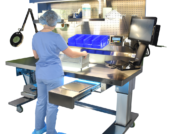
Workstations at common drop-off points can improve loaner accountability by giving intake processes a physical “home”. Compliance
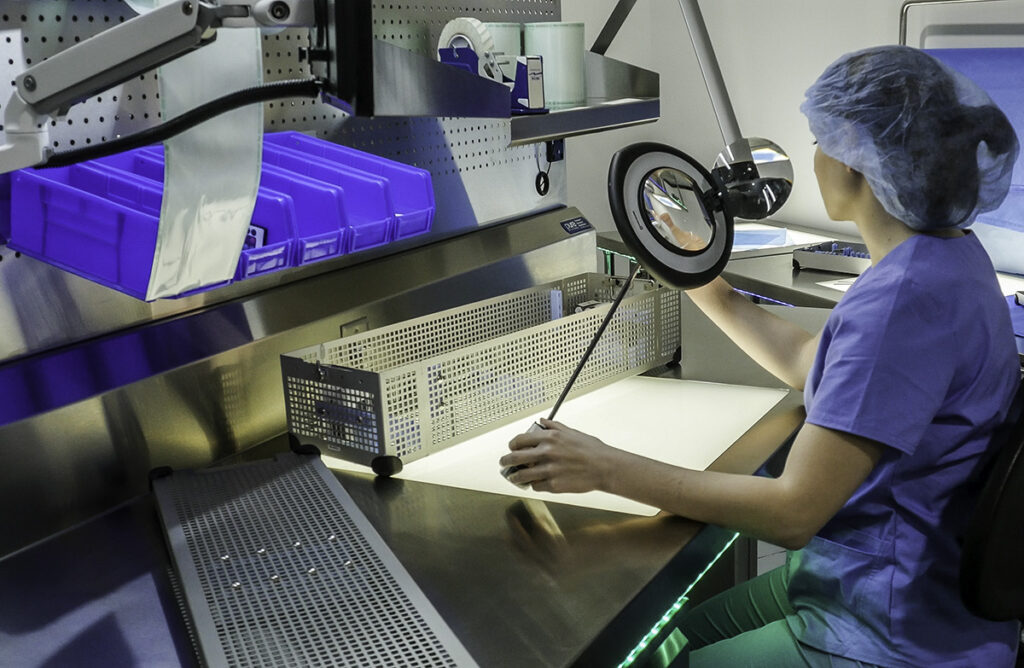
becomes habitual. Ensure your station has room for documentation like computer set-ups, potential cameras for taking photos of the condition, date and time of drop-offs, and scales to weigh incoming trays. Reject loaner drop-offs before trays have a chance to make their way into the department.
Having a physical space for drop-offs also keep workflows separate.
Scale stations
Vendor representatives don’t have the ‘in-built’ weighing skills sterile processing technicians do; lifting a tray and knowing it’s overweight is a skill developed over time! To prevent trays from coming into departments outside the 25-pound limitation as stated by ANSI/AAMI recommendations, ensure scales are available, either built-in to dedicated drop-off stations or on tabletops.
Tagging Systems
Evaluate how your department is tracking loaner trays once they’re in the workflow. Consider tagging trays with scannable, color-coded systems that make identifying loaners easier. Prioritize, forecast and organize with simple-to-implement solutions.
Ultrasonic systems
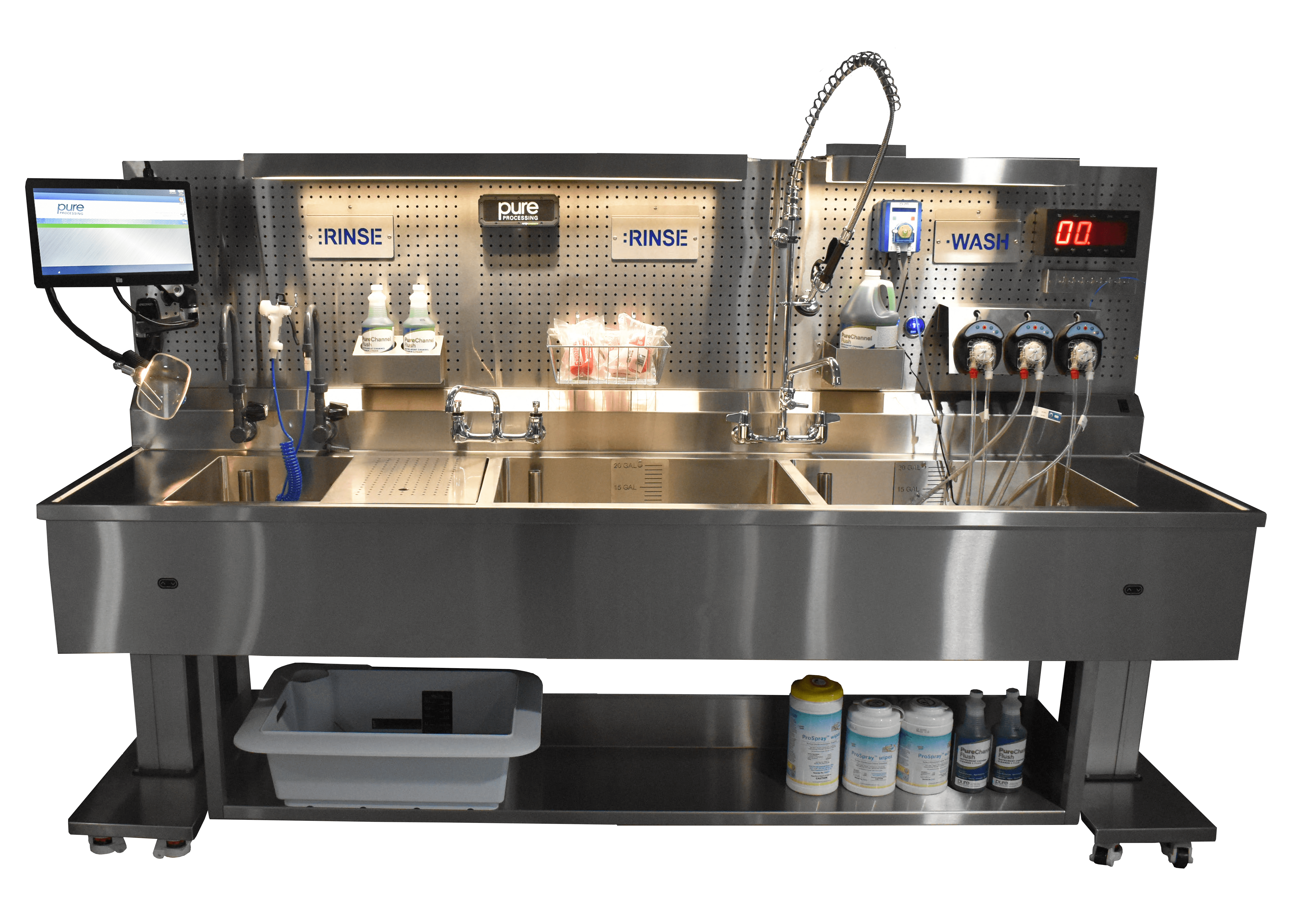
Best practices should extend to decontamination. If loaner trays arrive, and all ultrasonic systems are committed to the day’s processing, overflow capabilities may need to be considered. Having inline or standalone sonic systems, if space allows, gives technicians options for immediate processing without delaying the day’s existing processing needs.
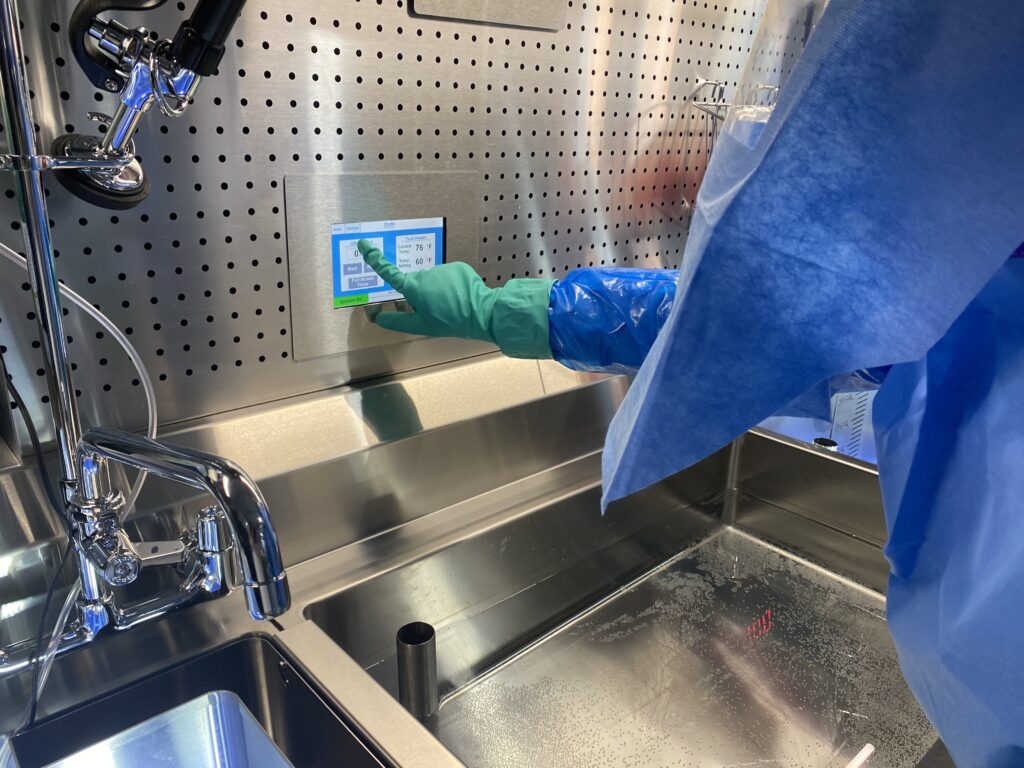
Alternative Considerations
If equipment changes aren’t within the budget, there are creative, strategic ways to hold vendors accountable for proper loaner systems. Set the tone on required paperwork, and ensure vendors include tray images, IFU and count sheets. Introduce clear ‘pick-up’ windows with vendors, and choose someone on your staff who can help you enforce and hold those accountable.
Some inevitable factors remain: surgical volumes will grow, instruments and procedures will get more complex, and people will make mistakes. Departments who truly succeed in loaner program management not only implement better policies, but better environments.
Ready to get started? Explore our loaner workstation solutions to optimize loaner programs at your facility!
RELATED PRODUCTS

PureSteel™ Loaner WorkStation

QuickSonic™ Sink System

PureSteel™ Mobile Scale Cart