
The Role of Infection Preventionists in SPD Upgrades
Infection preventionists (IPs) play a vital role in shaping the safety, compliance, and frontline defense of sterile processing departments

against infectious pathogens. As the healthcare environment continues to evolve, the expectations placed on SPD teams grow more complex. From regulatory updates to rising surgical volumes, the need for expert guidance and cross-department collaboration has never been greater.
This is where Infection preventionists bring significant value. Their partnership supports the continuous improvement of reprocessing workflows, ensures adherence to evidence-based practices, and strengthens a facility’s ability to prevent infection risks before they occur.
Why Infection Preventionists Are Essential to SPD Success
SPDs rely on several interconnected components to consistently deliver safe and functional instrumentation. Infection preventionists strengthen each of these areas by applying a compliance-driven lens, validating processes, and advocating for the resources SPD teams need to succeed. Their involvement leads to better outcomes in three core areas: compliance and regulatory alignment, data and quality assurance, and risk analysis.
1. Compliance and Regulatory Alignment
Regulatory demands in sterile processing are detailed and ever-changing. Infection preventionists help SPD leaders navigate standards from AAMI, AORN, CDC, and the Joint Commission by reviewing workflows, identifying gaps, and aligning practices with current guidelines.
According to Angela Lewellyn, LPN, CRCST, CER, CHL, director of Development and Research at Advantage Support Services, Inc., Infection Preventionists benefit from taking a more hands-on role in sterile processing. Lewellyn explains that she:
“advocate[s] for a closer, more hands-on approach for IPs that includes contributing to the oversight of cleaning and sterilization practices, ensuring compliance with infection control protocols, and conducting regular inspections as part of a continuous quality improvement program.”
This level of engagement strengthens the validation of critical steps such as manual cleaning, inspection practices, sterilization packaging, and storage, helping departments identify and correct gaps before they escalate into survey deficiencies.
ANSI/AAMI ST79, Page 1 highlights that many elements influencing sterilization occur outside the sterilization room, making cross-functional collaboration essential. The standard states that:
“the policies and procedures governing sterilization processing should be developed in consultation with the managers of areas that use sterile medical devices and with appropriate committees or functional groups within the facility (e.g., infection prevention and control, safety, hazardous materials, risk management).” (ANSI/AAMI/ISO TIR17665-2)
This reinforces the need for Infection preventionists to be directly involved in creating comprehensive, facility-wide policies that support safe and consistent reprocessing practices.
This collaboration becomes especially important when departments are preparing for surveys or planning upgrades. IPs bring a comprehensive understanding of infection transmission risks and apply regulatory expectations to SPD design, workflow, and documentation practices. Their insight helps reduce deficiencies and supports consistent survey readiness
2. Data and Quality Assurance
SPD generate critical data every day. Cycle parameters, soak times, manual cleaning steps, inspection outcomes, and verification metrics all contribute to a department’s quality assurance structure. Infection preventionists help transform this information into actionable insights.
Their experience with evidence-based best practices enables them to validate reprocessing steps, ensure accurate documentation, and support a strong chain of quality control. This guidance becomes essential when departments integrate new equipment, update workflows, or respond to rising procedural volumes. Accurate data and consistent validation reduce variation and help identify long-term improvements.
3. Risk Analysis and Advocacy
One of the most common ways Infection preventionists support our teams is through risk analysis and education. Their voices carry weight in conversations about facility design, capital equipment, staffing needs, and how each element relates to infection risk mitigation.
According to Rebecca Leach, MPH, BSN, RN, CIC, staffing shortages within sterile processing can contribute to burnout, turnover, reduced productivity, and rushed practices such as increased immediate-use steam sterilization. These pressures elevate the risk of workflow breakdowns, improperly reprocessed instruments, procedural delays, and potential patient harm. Leach notes that:
“without a strong, well-trained SPD staff, procedures and surgeries can grind to a halt, hospital revenue will decrease, and patients are at risk for disease and pathogen transmission.”
This perspective underscores how deeply operational challenges affect infection prevention and why IP involvement in resource planning and process improvement is essential.
IP advocacy can help SPD teams secure updated technologies, educate on compliance requirements, and design functional workspaces that reduce reprocessing variability. When IPs champion high-quality upgrades, they strengthen the entire perioperative ecosystem.
How Infection Preventionists Support Improvements in SPD Upgrades
Direct collaboration between IPs and SPD leaders leads to measurable advancements in workflow quality, technician preparedness, and infection prevention.
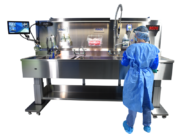
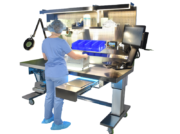
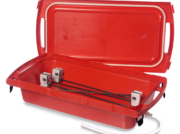
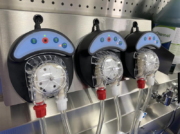
Three Pure Processing solutions illustrate how this partnership elevates reprocessing performance and meets compliance expectations.
Shaping the Future of Sterile Processing Together
Infection preventionists and SPD teams share the responsibility of protecting patients through safe and consistent reprocessing practices. IPs contribute valuable insight that strengthens decision making around workflow design, equipment selection, and compliance priorities. Together, their partnership ensures reprocessing practices continue to advance alongside clinical needs.
Infection preventionists will continue to support the evolution of SPD best practices, promote meaningful upgrades, and guide healthcare facilities toward safer, higher-quality reprocessing standards.
Works Cited:
- ANSI/AAMI ST79
- https://www.ormanager.com/the-role-of-infection-prevention-when-auditing-spd/
- https://www.infectioncontroltoday.com/view/curing-sterile-processing-department-staffing-crisis